FishingDB
Fishing Tackle List
Fishes
Filter
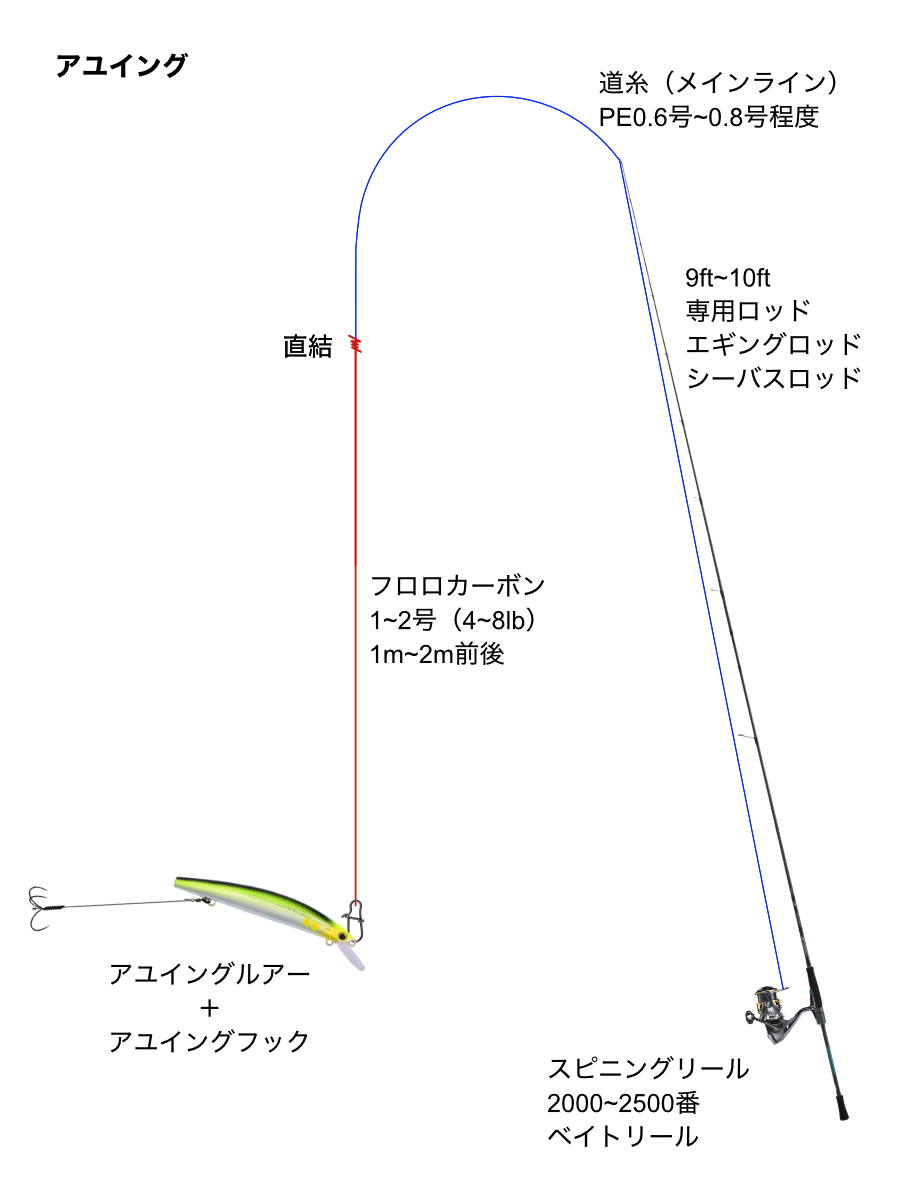
This guide explains the basic structure and fishing method of Ayu‑ing. Using specialized minnows and ikari hooks to intrude into an ayu’s territory, the method targets prime spots such as fast runs and algae‑covered stones. The core techniques are staying, sliding, and maintaining bottom contact.
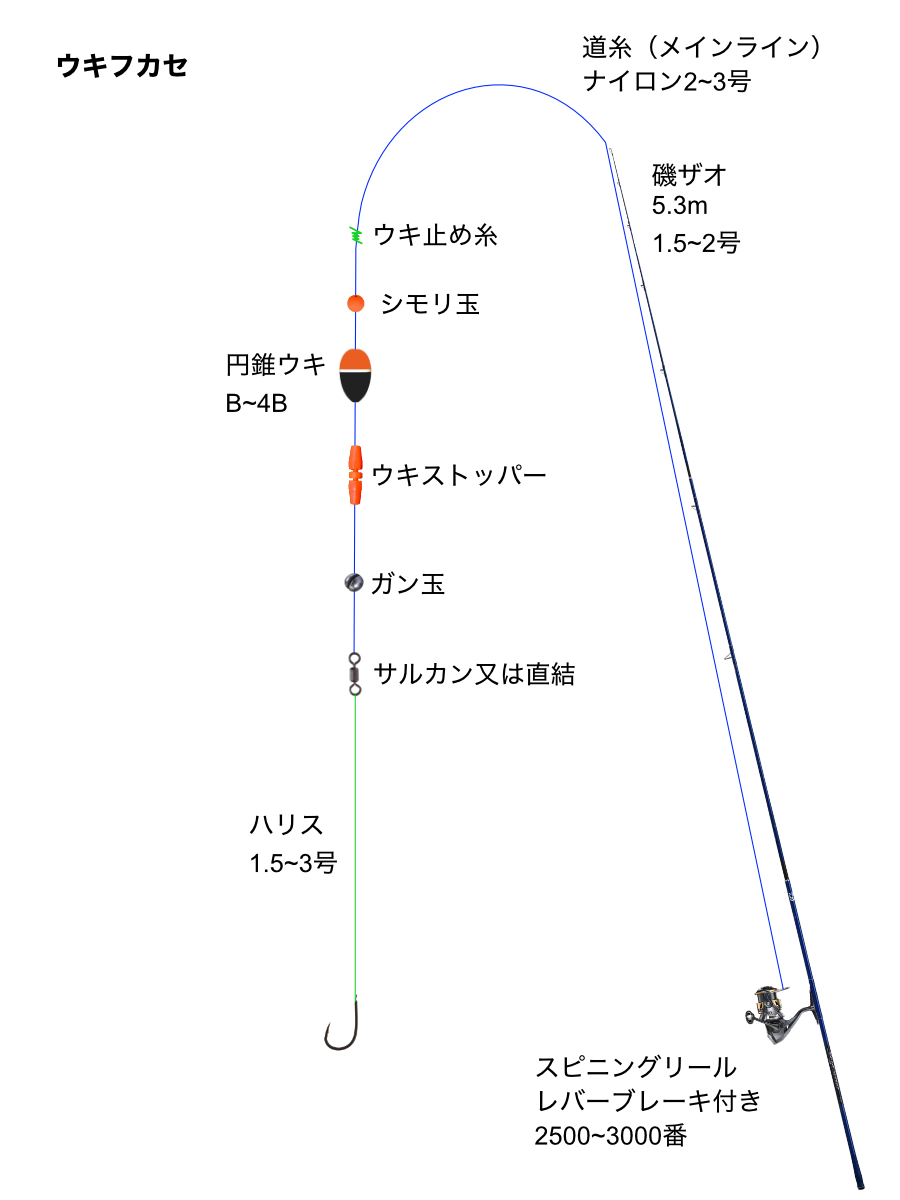
This guide explains the basic structure and fishing method of the float‑drift (uki‑fukase) rig. By adjusting the float stopper and controlling the line, you can present bait naturally to target species such as mebaru, black sea bream, and red seabream. A refined technique enjoyed by beginners and experts alike.
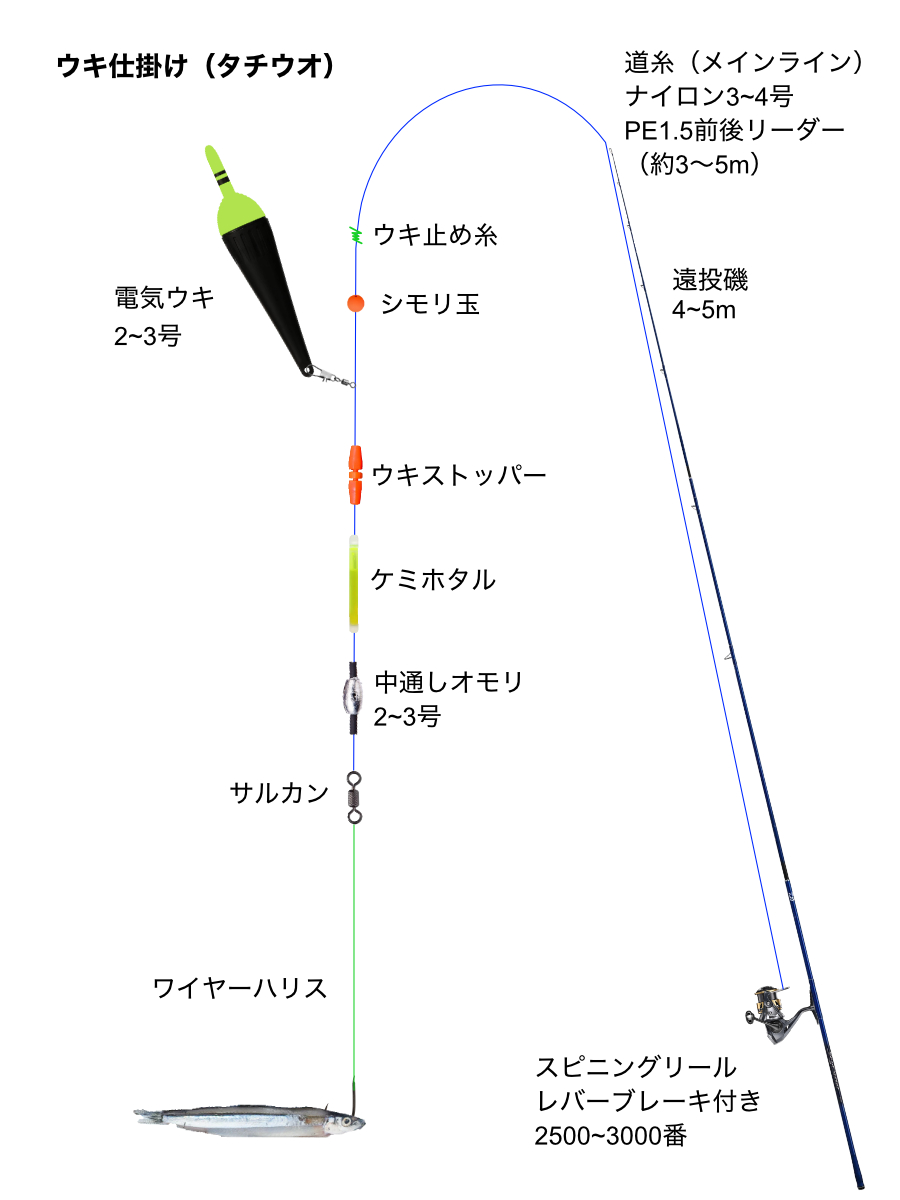
This guide explains the basic structure and fishing method of the cutlassfish float rig. Using an electric float to explore different depths and bait such as kibinago, you can target cutlassfish and Spanish mackerel—an essential night‑fishing technique where timing and lure action determine success.
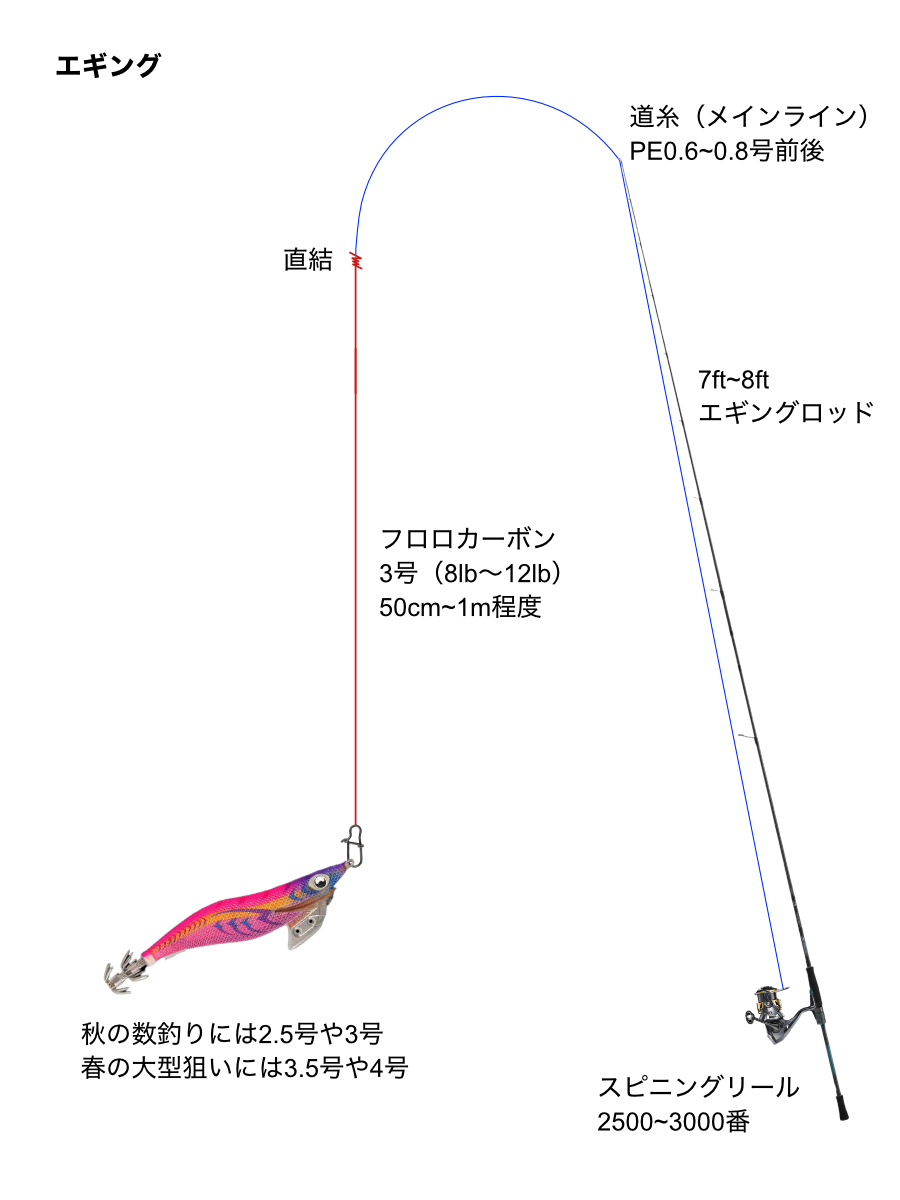
This guide explains the basic structure and fishing method of eging. Using PE line to control the egi, you can target Aori squid with precise jerks and falls. The technique excels from autumn’s high‑numbers season to spring’s trophy‑squid period.
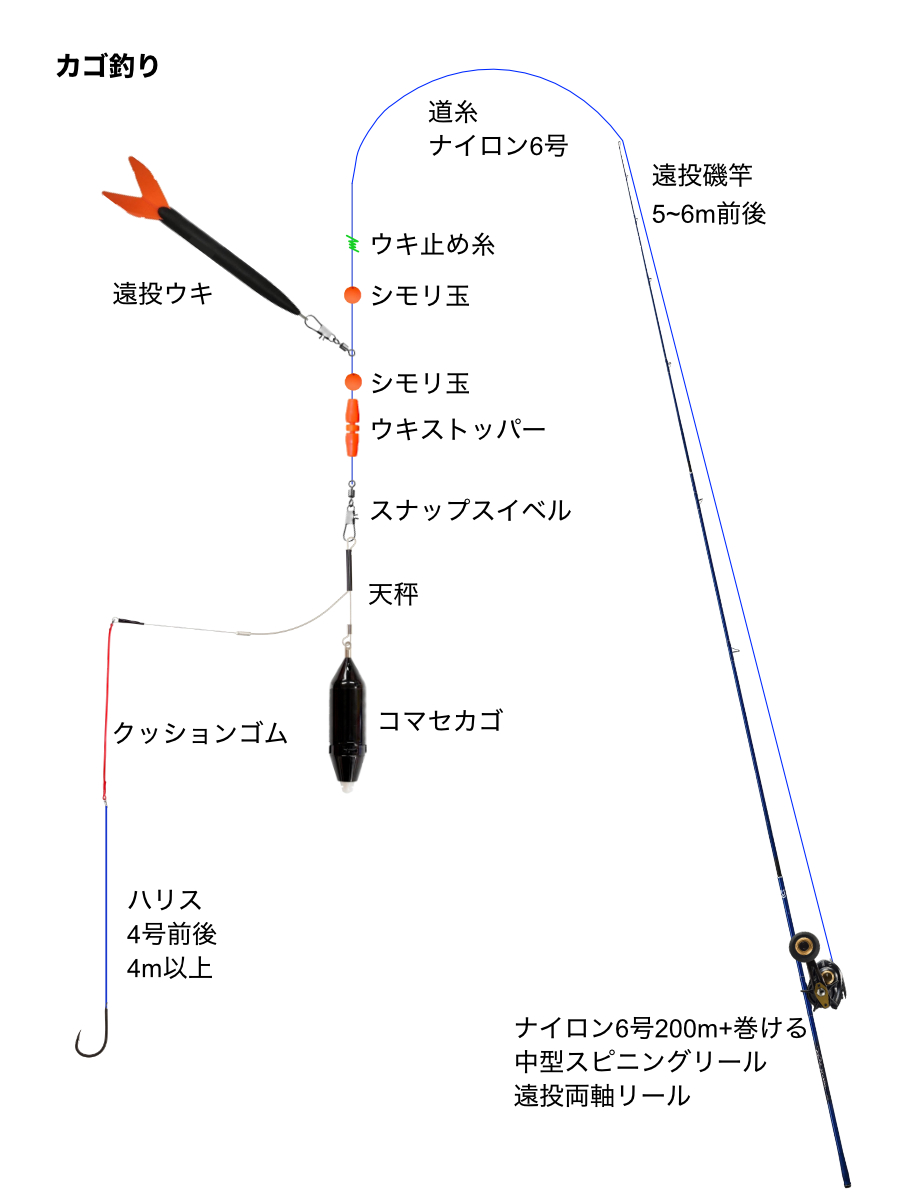
This guide explains the basic structure and fishing method of the basket‑float (kago‑tsuri) rig. With a long‑distance float and chum basket, you can cover wide areas and target a variety of species such as horse mackerel, mackerel, red seabream, and grunt. A popular rig capable of landing large fish from piers.
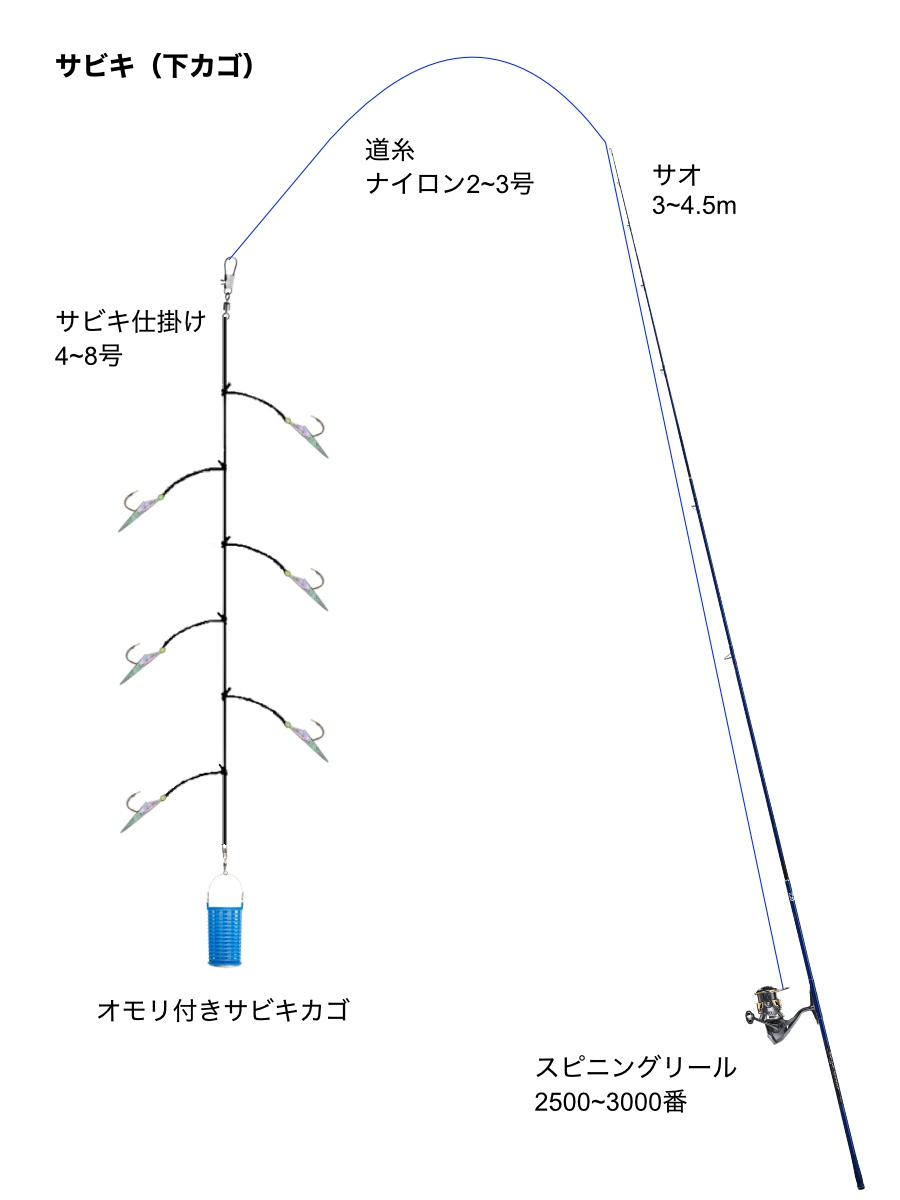
This guide clearly explains the features, basic structure, and fishing procedure of the Sabiki (bottom-basket) rig. Highly effective for migratory fish such as horse mackerel, mackerel, and sardines, it is a classic and beginner-friendly method for fishing from piers.
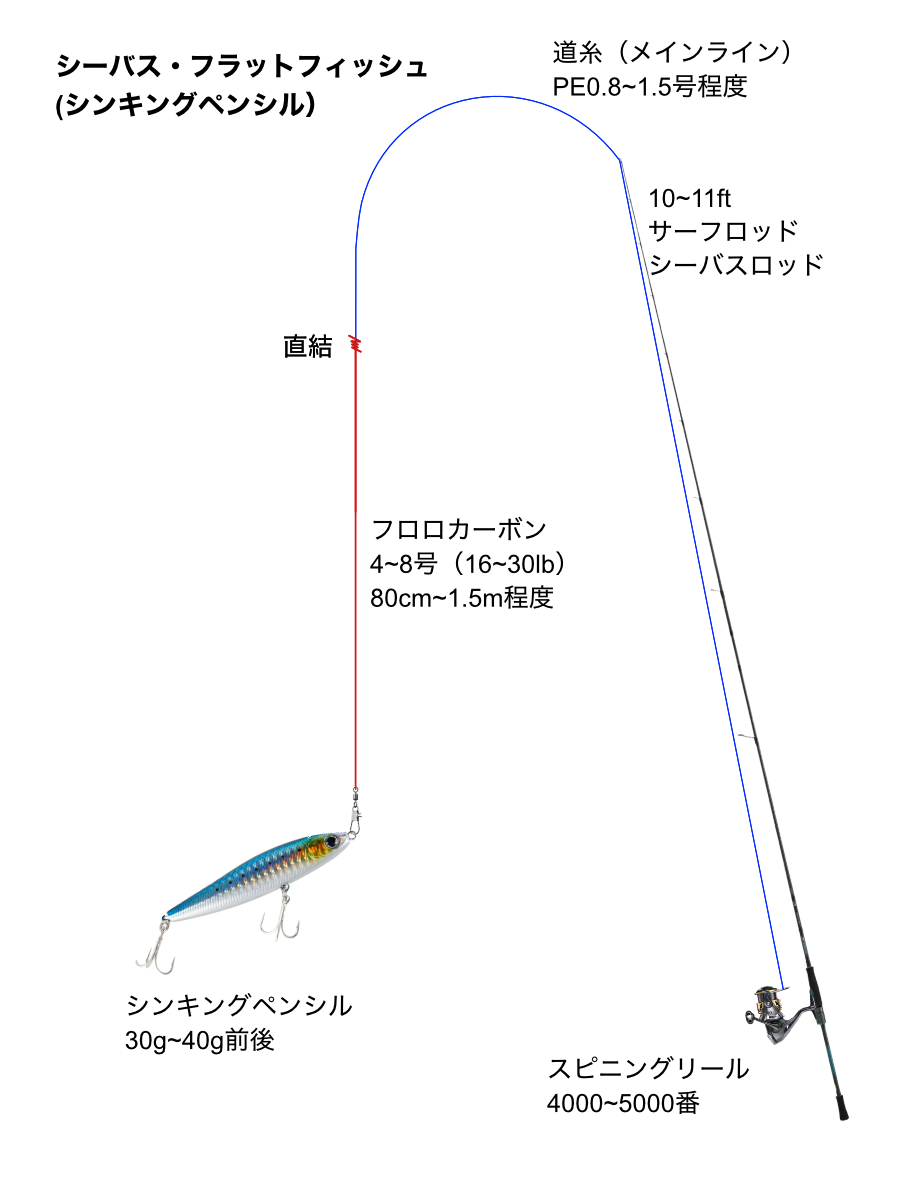
This guide explains the basic structure and fishing method of the sinking‑pencil surf rig for seabass and flatfish. With outstanding casting distance and natural action, it can cover wide areas and target flounder, flathead, seabass, and blue‑runner species—one of the most popular surf techniques.
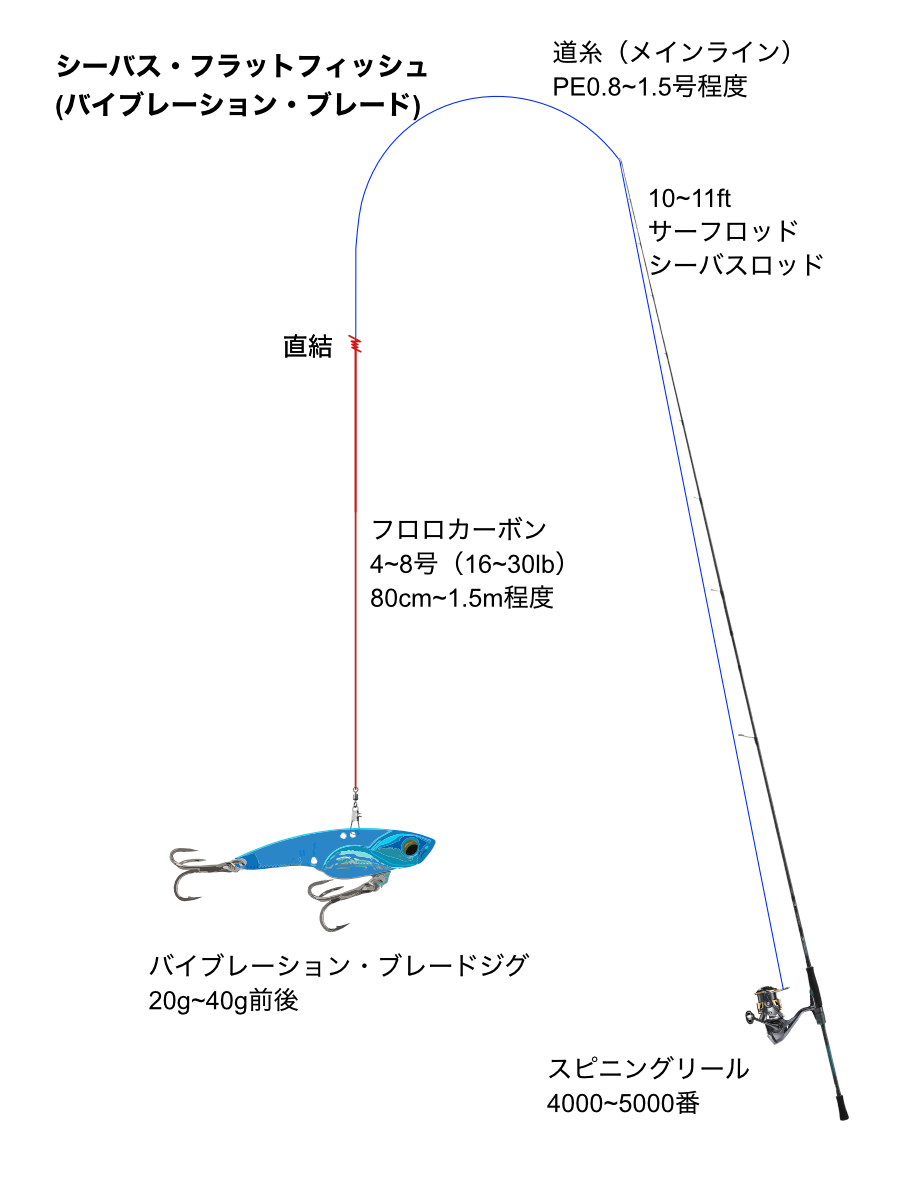
This guide explains the basic structure and fishing method of vibration and blade‑jig rigs for seabass and flatfish. With strong vibration and flashing, these lures cover wide areas and effectively target flounder, flathead, seabass, and blue‑runner species from the surf.
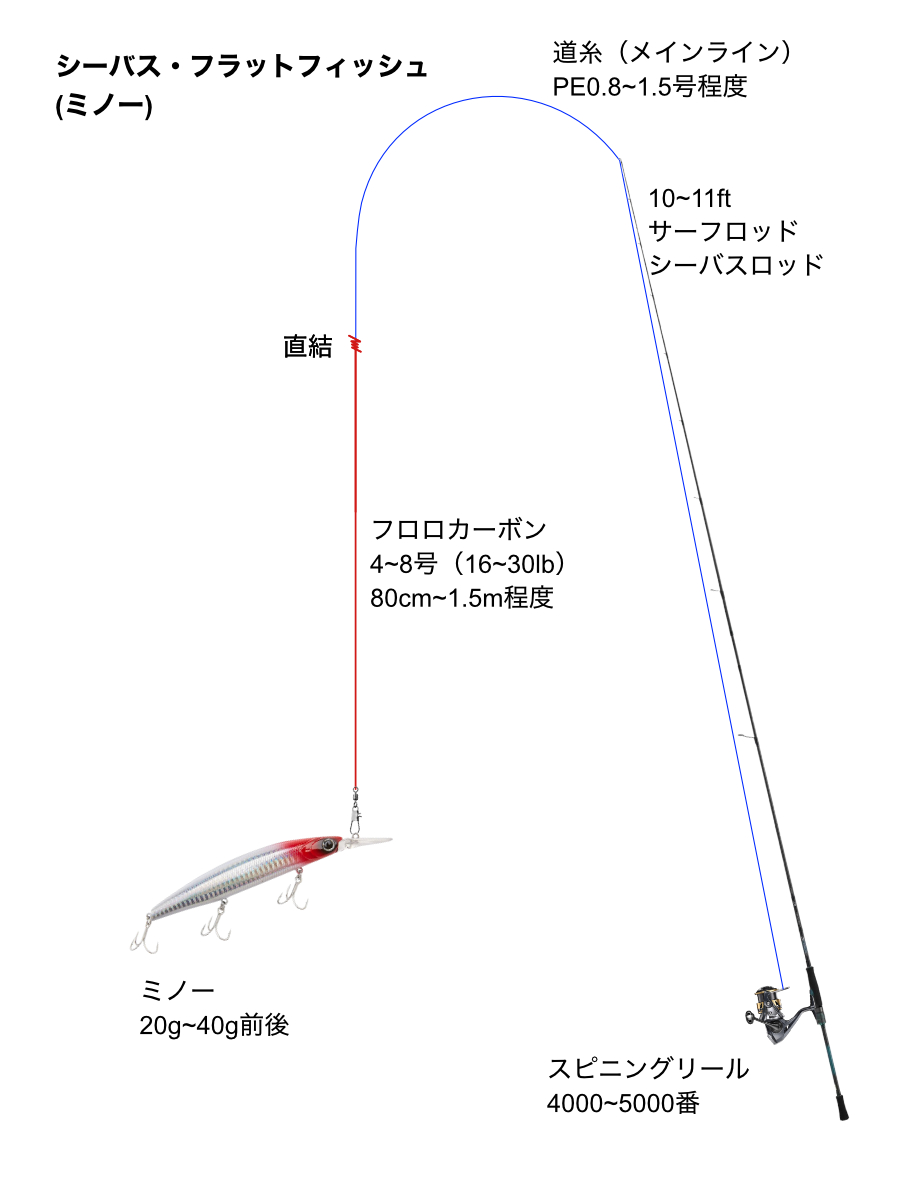
This guide explains the basic structure and fishing method of the minnow surf rig for seabass and flatfish. Minnows in the 120–140mm range allow you to cover wide areas and target flounder, flathead, seabass, and blue‑runner species. Slow retrieves and stop‑and‑go actions are especially effective.
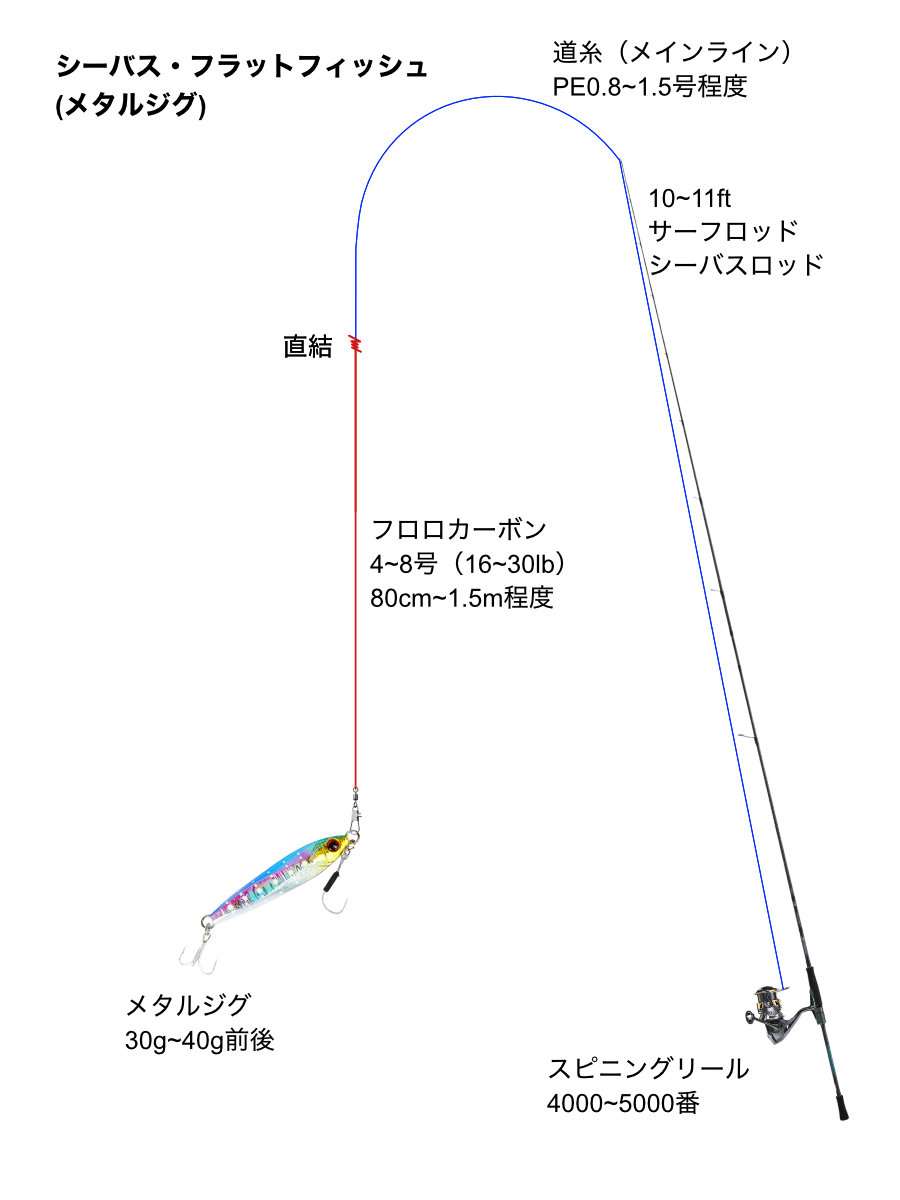
This guide explains the basic structure and fishing method of the metal‑jig surf rig for seabass and flatfish. With 30–40g jigs, you can cast long distances and target flounder, flathead, seabass, and blue‑runner species. The lift‑and‑fall action is the key to triggering bites.
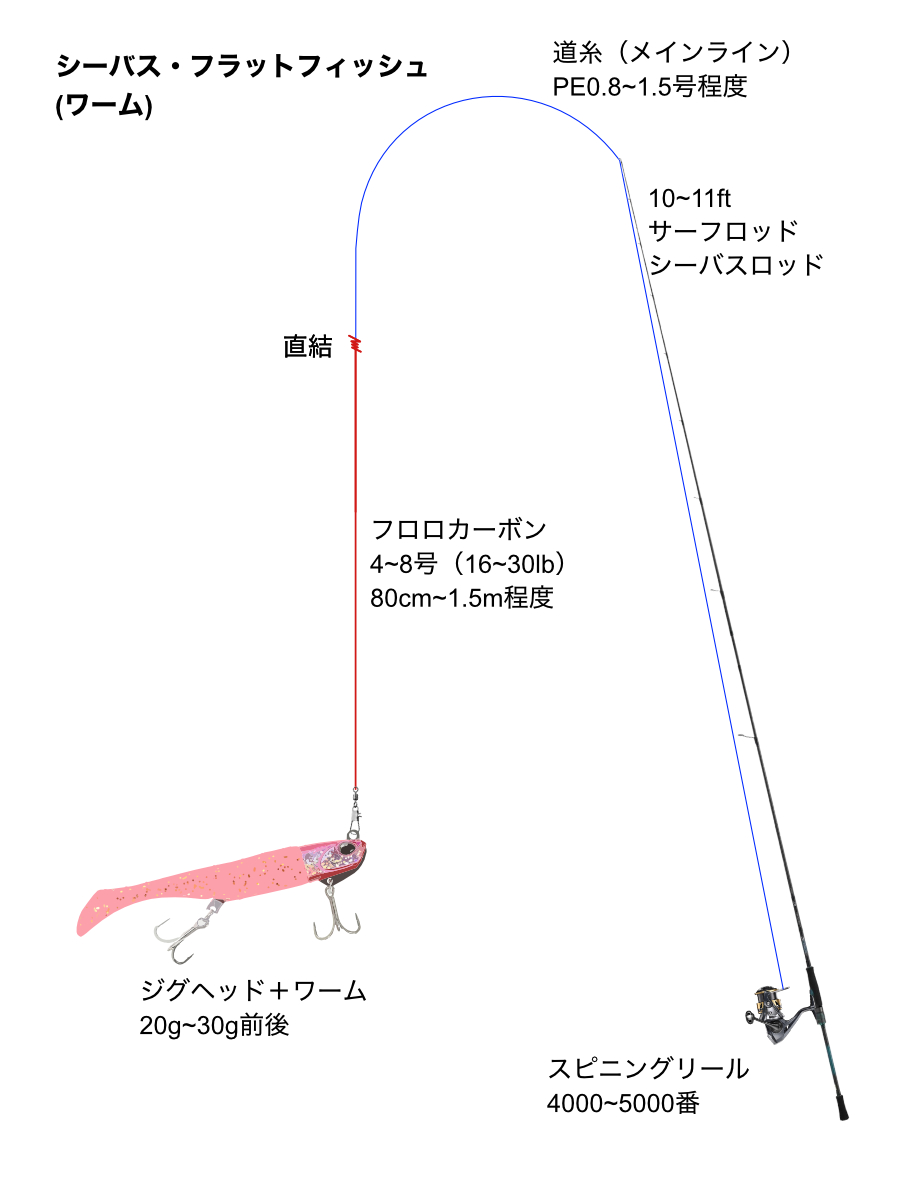
This guide explains the basic structure and fishing method of the worm rig for seabass and flatfish. By covering wide areas with shads and grubs, you can target flounder, flathead, seabass, and blue‑runner species. Stop‑and‑go and lift‑and‑fall actions are especially effective.
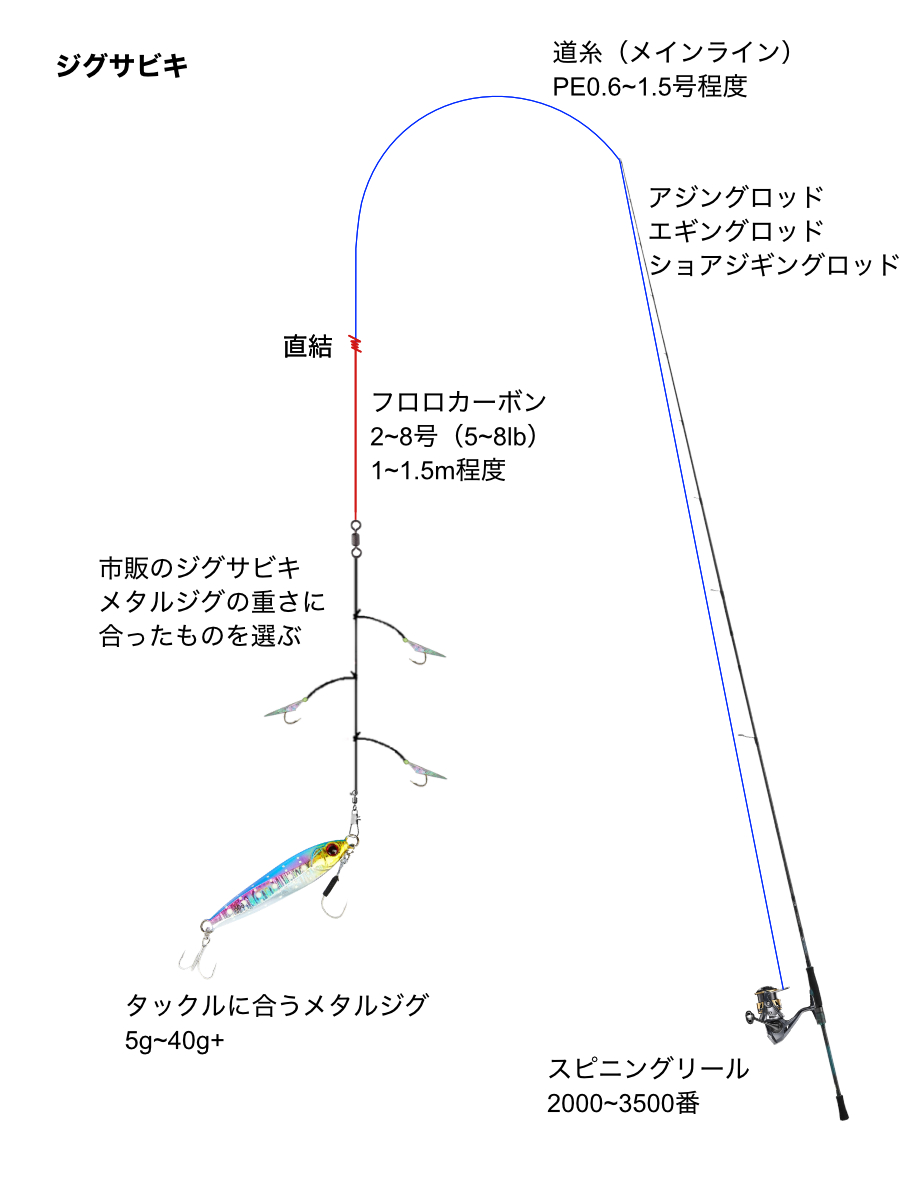
This guide explains the basic structure and fishing method of the jig‑sabiki rig. By enticing bites during the jig’s fall, you can target horse mackerel, sardines, rockfish, and scorpionfish. It’s a versatile style that covers everything from long‑distance casting to fishing right at your feet, with frequent double‑hit potential.
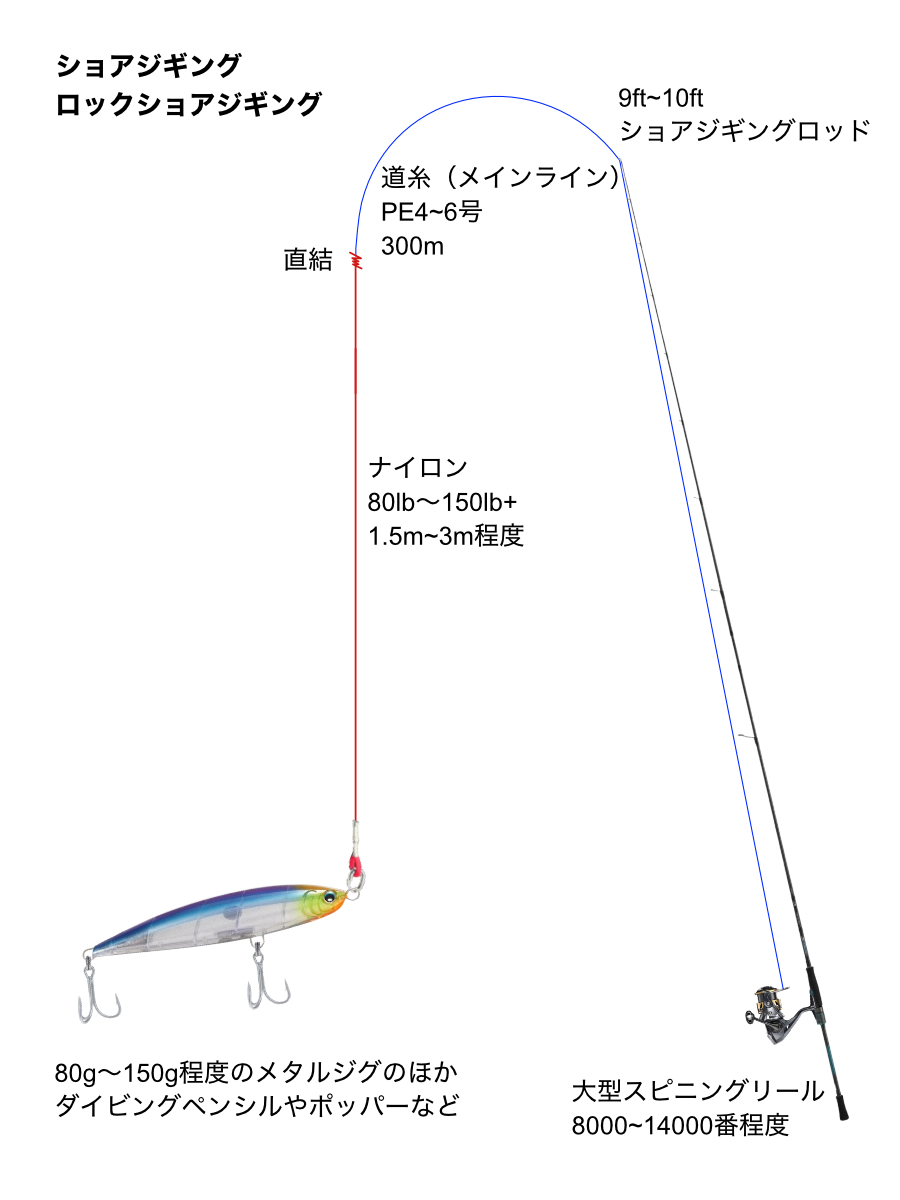
This guide explains the basic structure and fishing method of rock‑shore jigging. Using heavy jigs over 100g and topwater plugs, you can target powerful blue‑runner species from rugged shorelines. Strong tackle and safety gear are essential, and the method covers everything from dawn topwater action to deep‑water jigging.
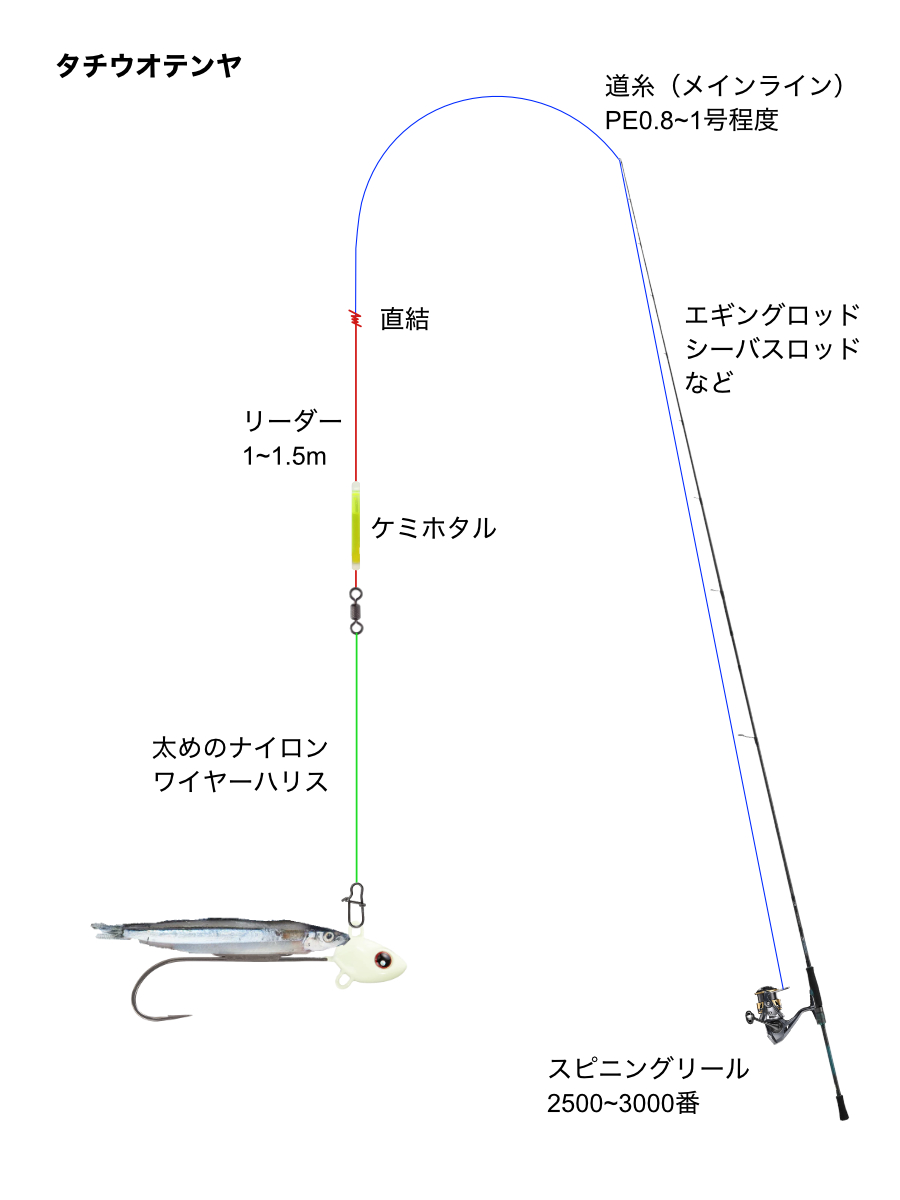
This guide explains the basic structure and fishing method of the cutlassfish tenya rig. By wrapping kibinago onto the tenya and using enticing actions, you can target cutlassfish and Spanish mackerel. Depth control and the two‑stage hook‑set are key techniques for success.
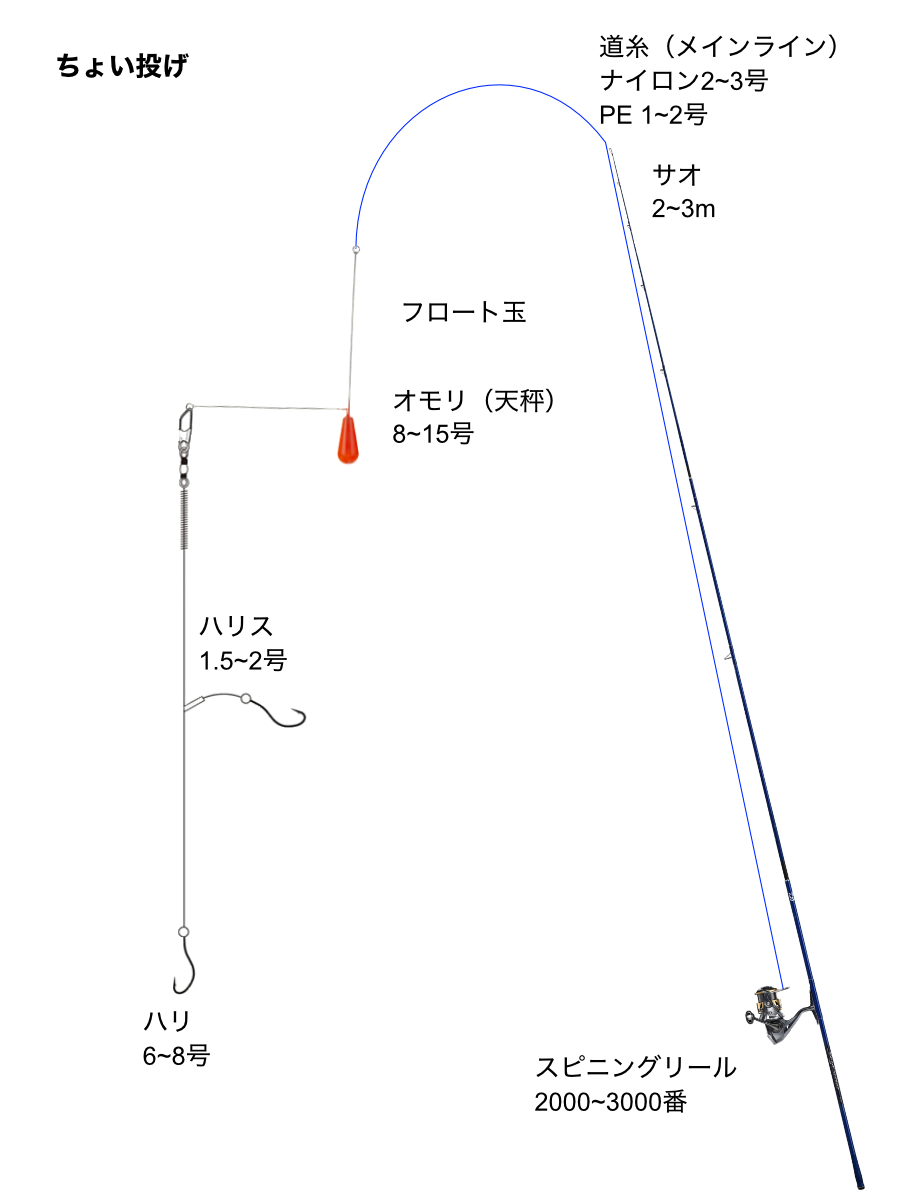
This guide clearly explains the basic structure and fishing method of the light surf‑casting rig (“choinage”). Using a balance arm and small hooks, it is ideal for targeting species like whiting, gobies, and flatfish in sandy areas. Easy to handle even for beginners, it is a convenient setup for fishing from piers and beaches.
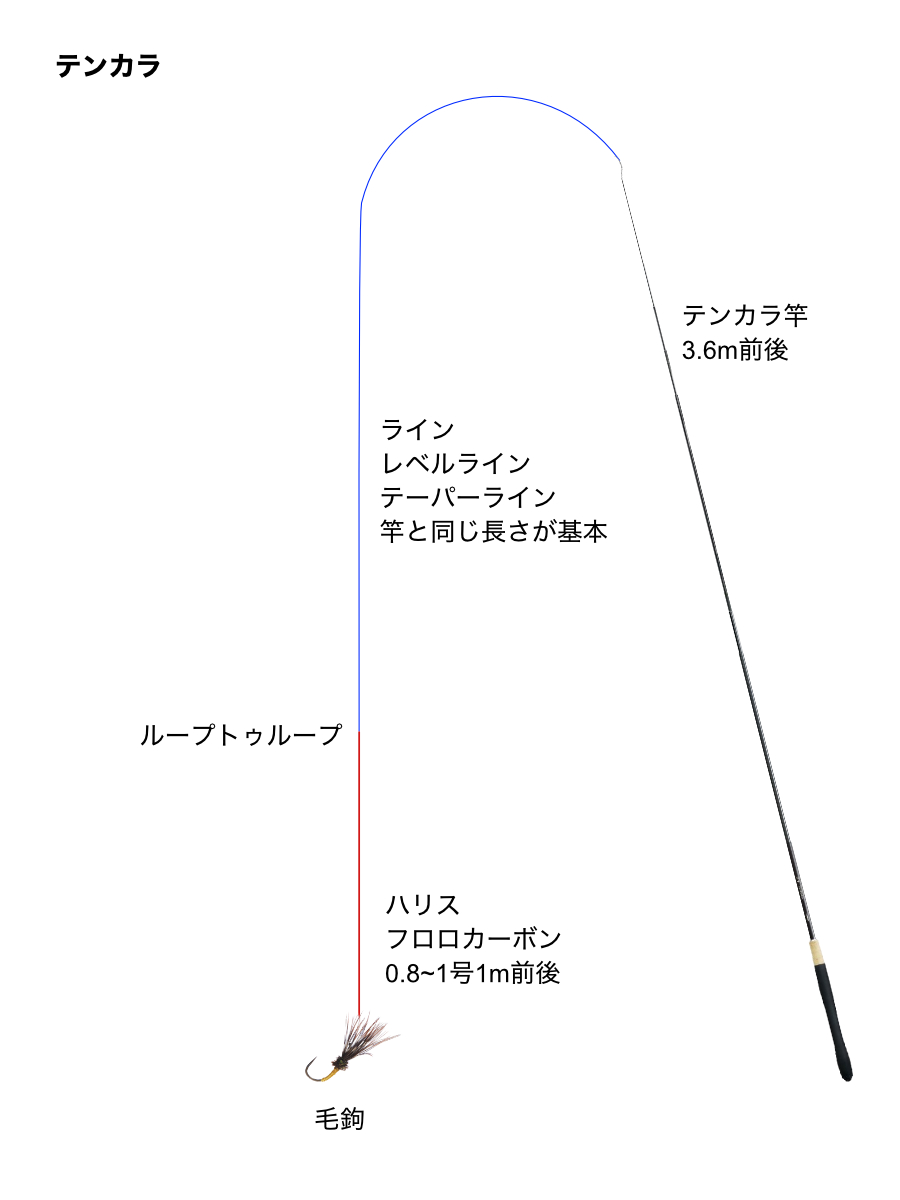
This guide explains the basic structure and fishing method of tenkara. By drifting kebari naturally to target yamame, this traditional mountain‑stream technique emphasizes natural drift and subtle presentation. Light casting and delicate control are its core appeal.
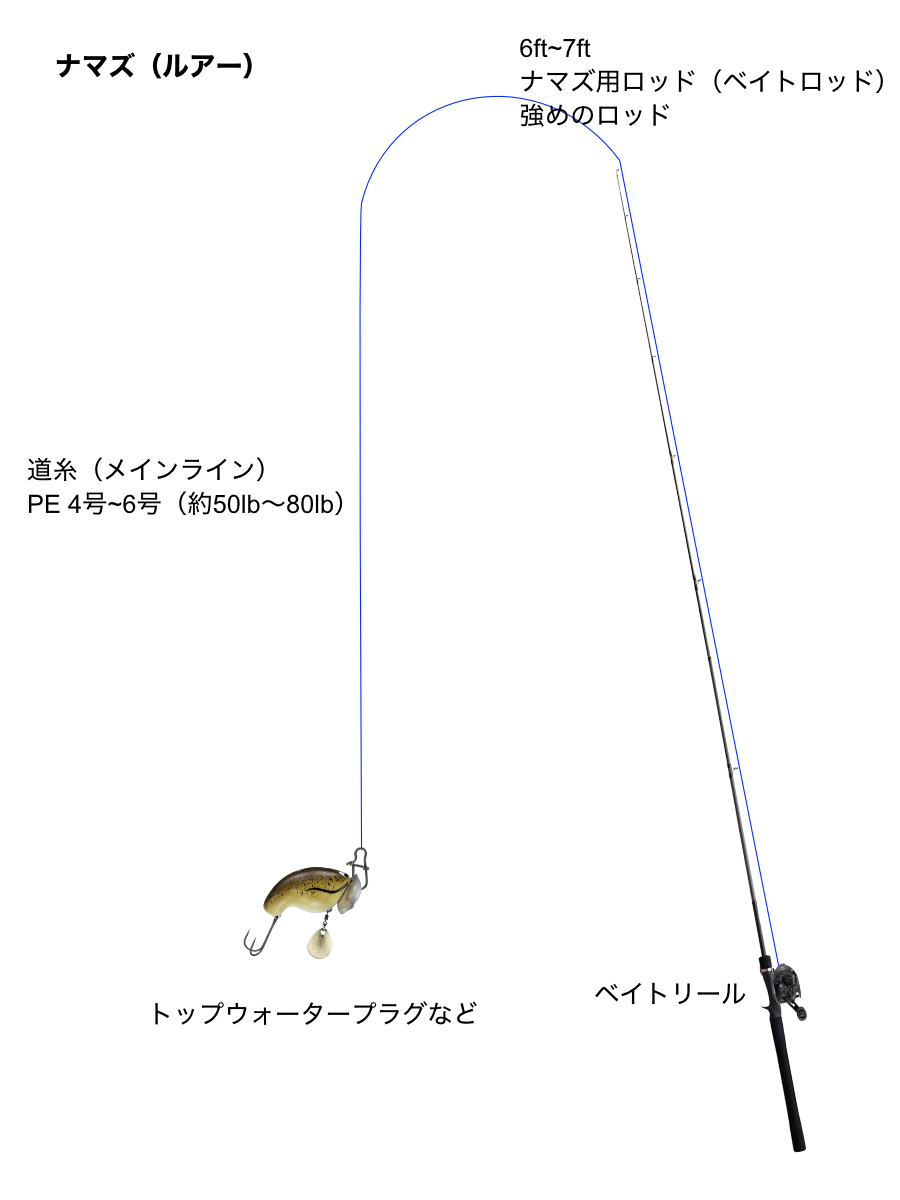
This guide explains the basic structure and fishing method of lure fishing for catfish. Using strong tackle and PE line to work topwater lures, you target inlets, shade, and other key spots. Sound and vibration trigger strikes, and hook‑setting after feeling the weight is essential.
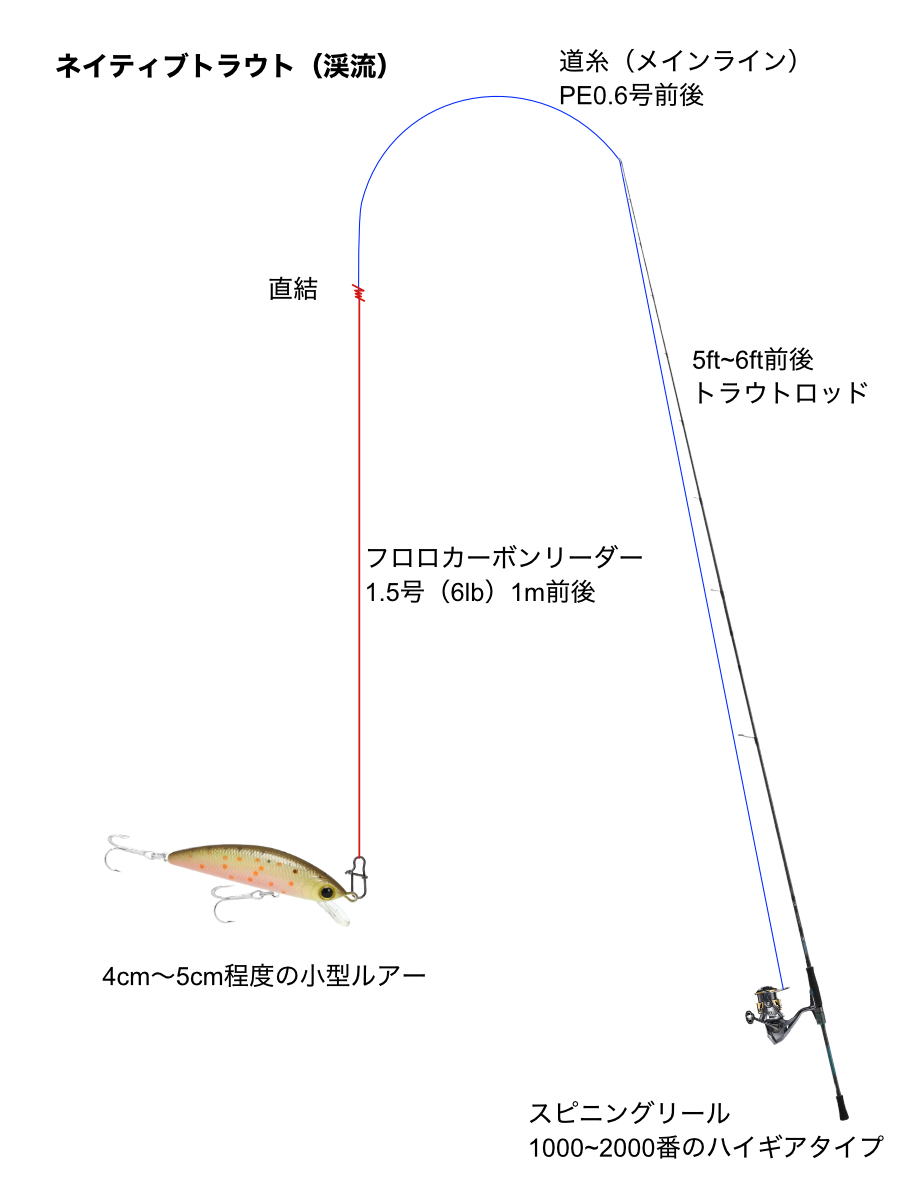
This guide explains the basic structure and fishing method of native‑trout stream lure fishing. Using small minnows to target yamame, the technique centers on upstream approaches and twitching action. The short‑rod, upstream‑wading style is part of its unique charm.
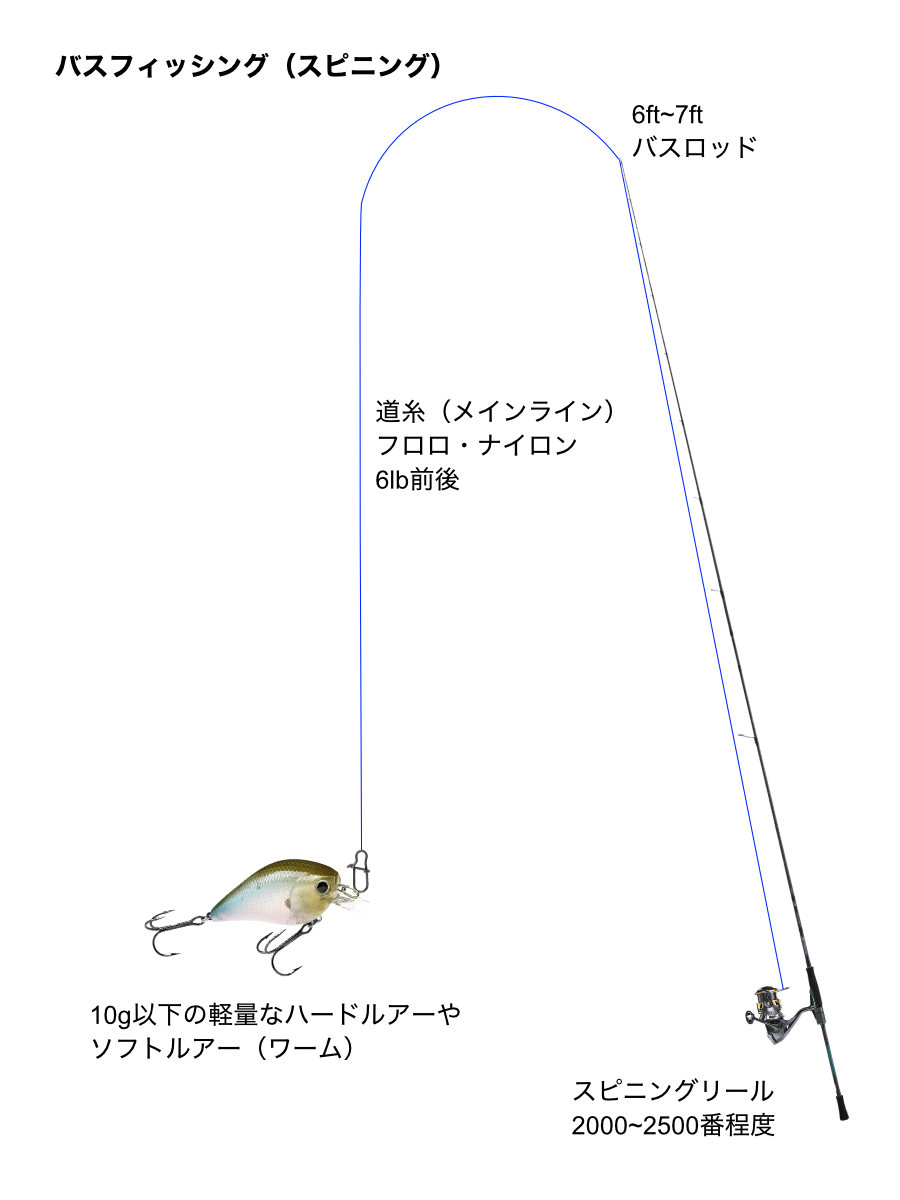
This guide explains the basic structure and fishing method of spinning‑tackle bass fishing. It is ideal for beginners, allowing easy handling of lightweight lures and supporting a wide variety of rigs such as no‑sinker, downshot, and jighead setups.
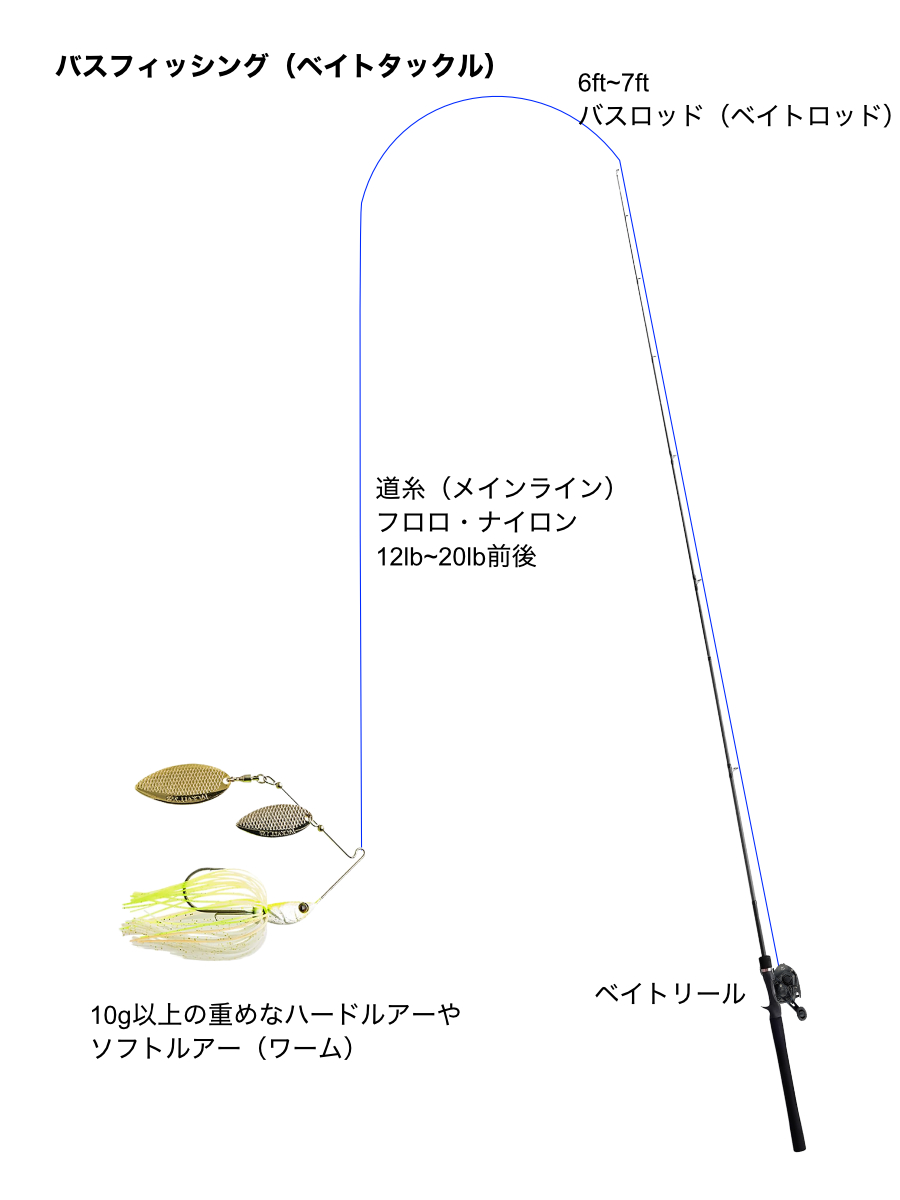
This guide explains the basic structure and fishing method of bait‑tackle bass fishing. With thick line and strong retrieval power, it excels at handling heavier lures and targeting bass around cover. Mastering thumbing and brake adjustment is the key to improving your casting.
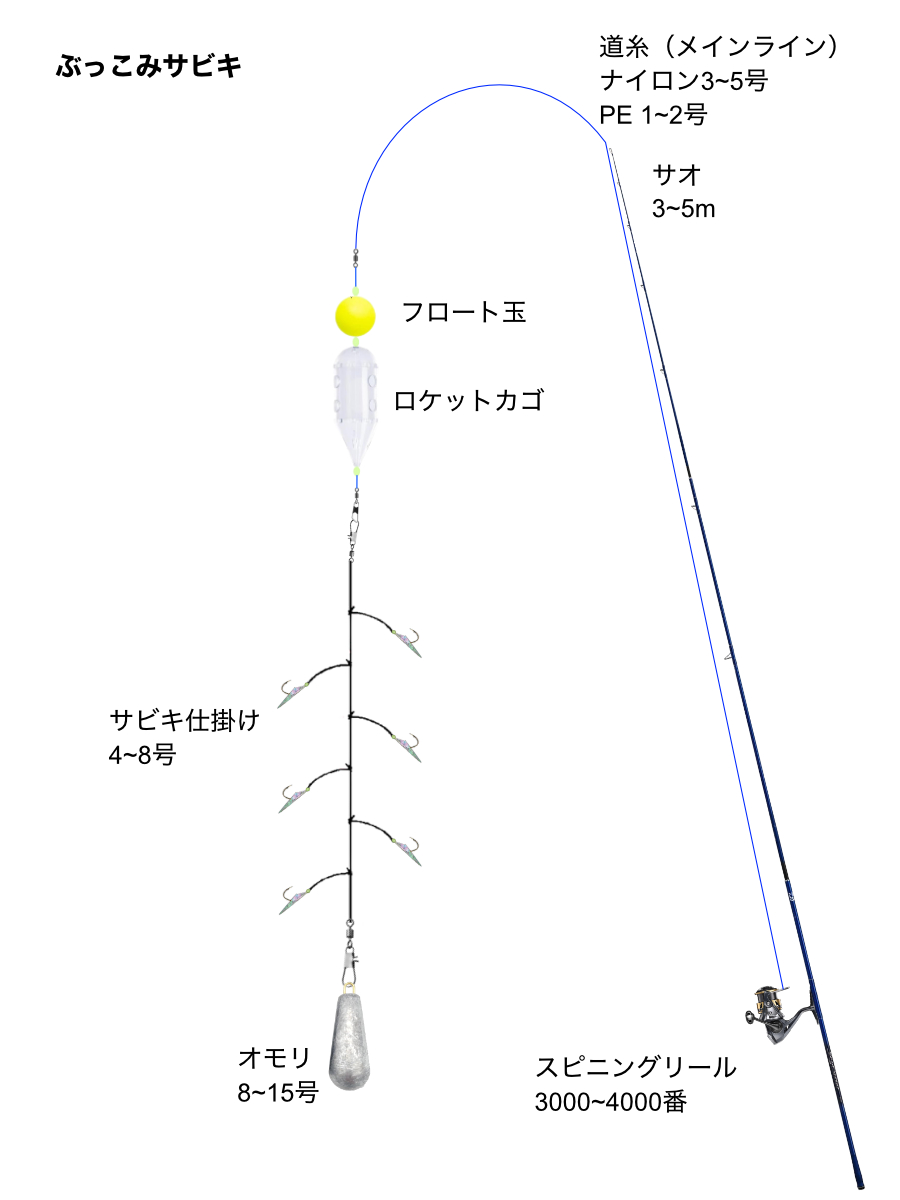
This guide explains the basic structure and fishing method of the Bukkomi Sabiki rig. By using a rocket basket and float to target areas near the seabed, it is highly effective for horse mackerel, mackerel, and sardines. With excellent casting distance, it is also suitable for targeting larger fish from piers.
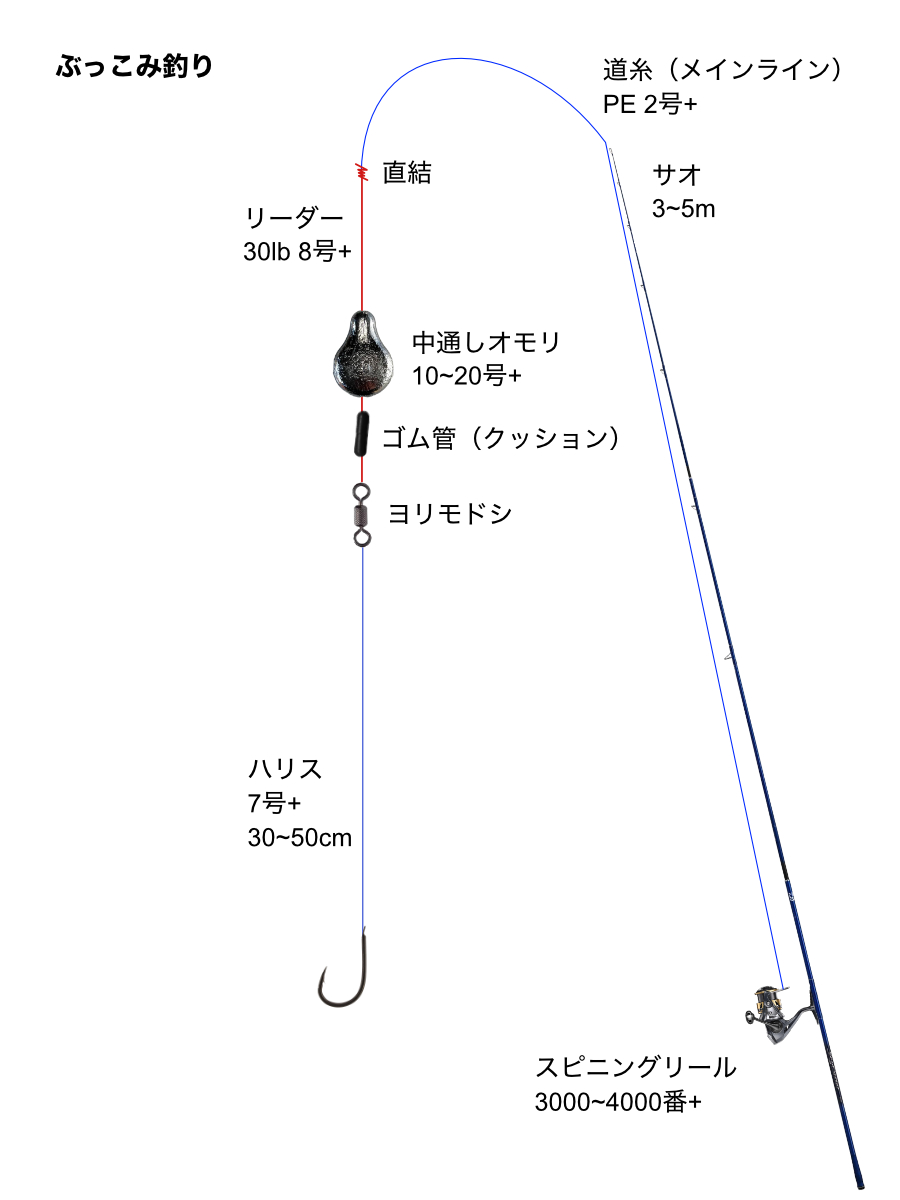
This guide explains the basic structure and fishing method of the Bukkomi rig. Using thick‑shaft hooks and inline sinkers, it is a powerful setup ideal for targeting large bottom‑dwelling fish such as rockfish, red seabream, and flathead. A full‑scale rig that can be enjoyed from piers.
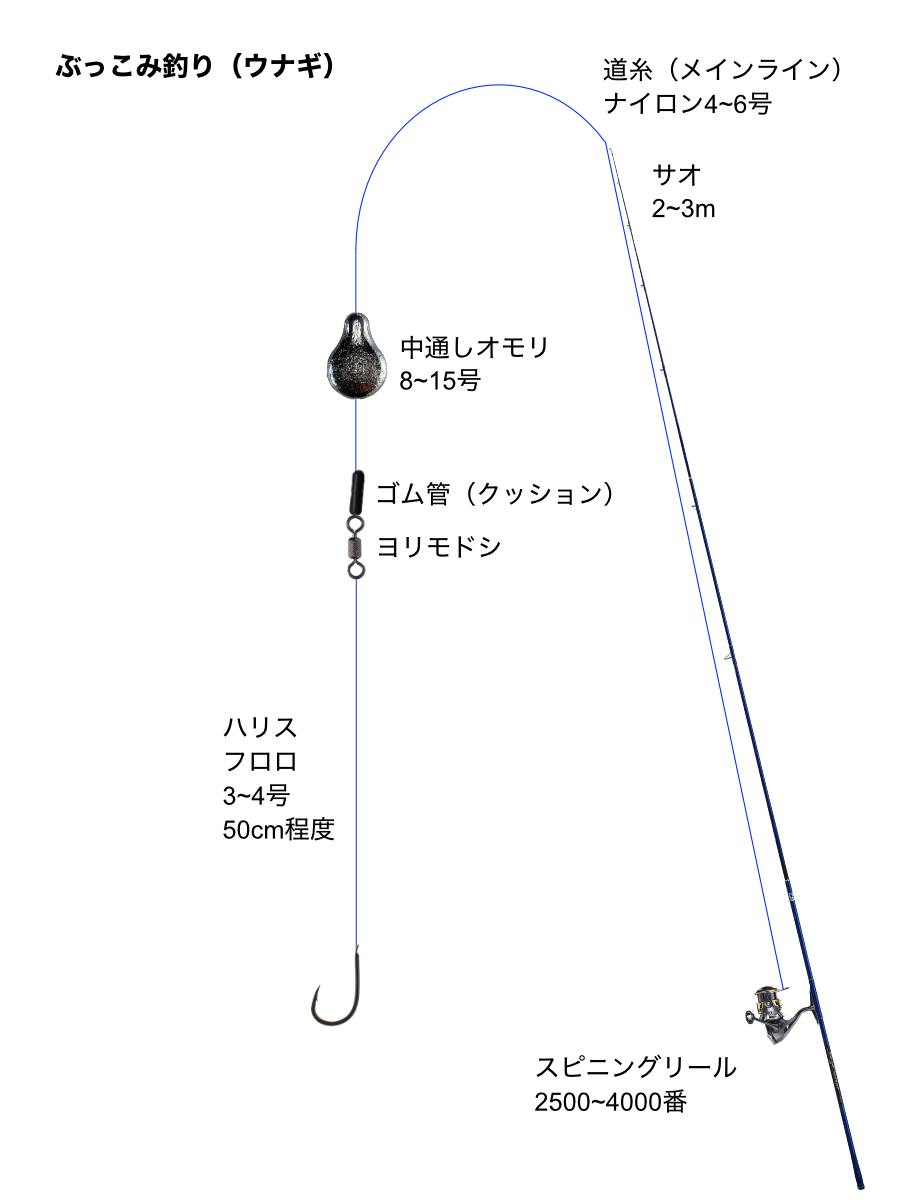
This guide explains the basic structure and fishing method of bottom‑fishing for eels. Using a sliding sinker and strong line to target the bottom, it is most effective around floodgates and bridge structures. Waiting for the weight to load before setting the hook is essential.
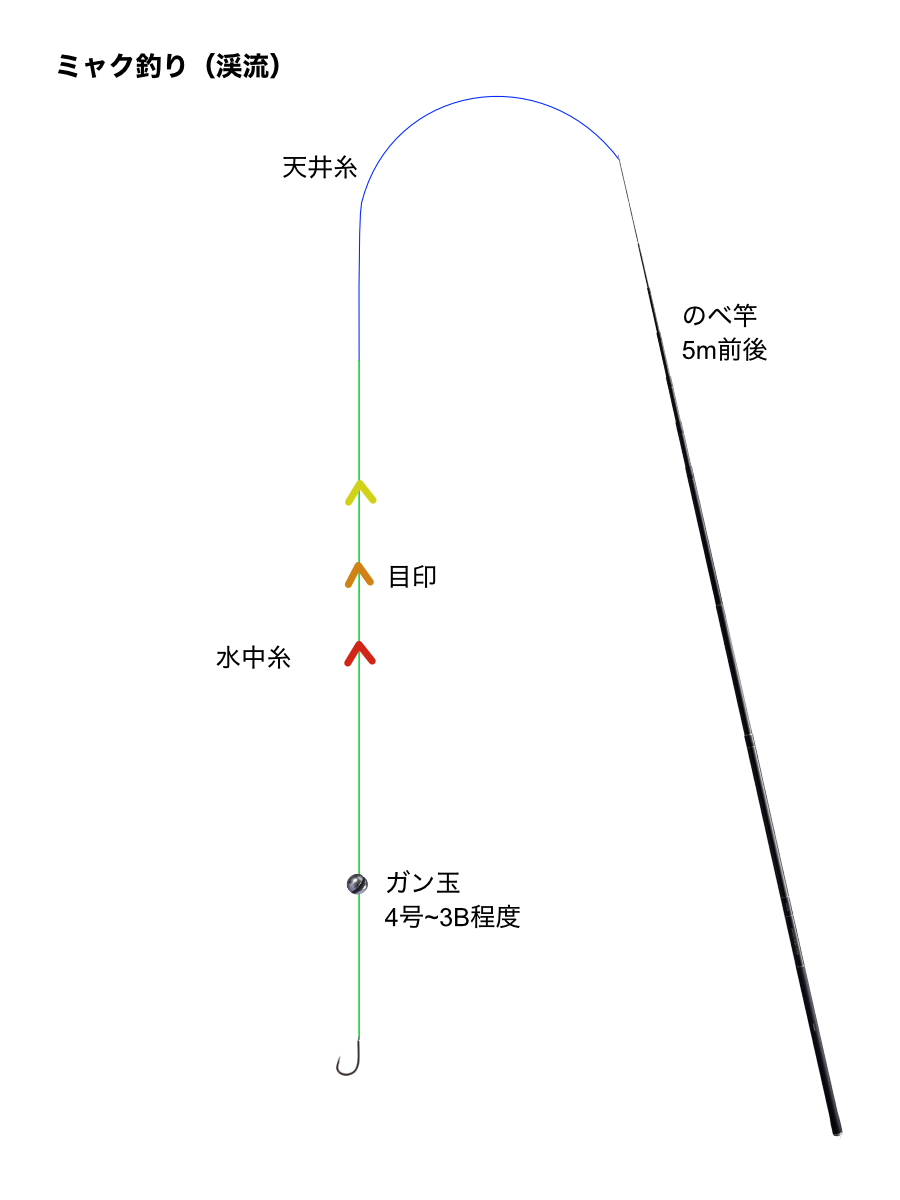
This guide explains the basic structure and fishing method of keiryu “myaku‑tsuri.” Using thin sinking line and visual markers to detect subtle bites, this traditional bait‑fishing style targets yamame with natural drifts and stealthy upstream approaches.
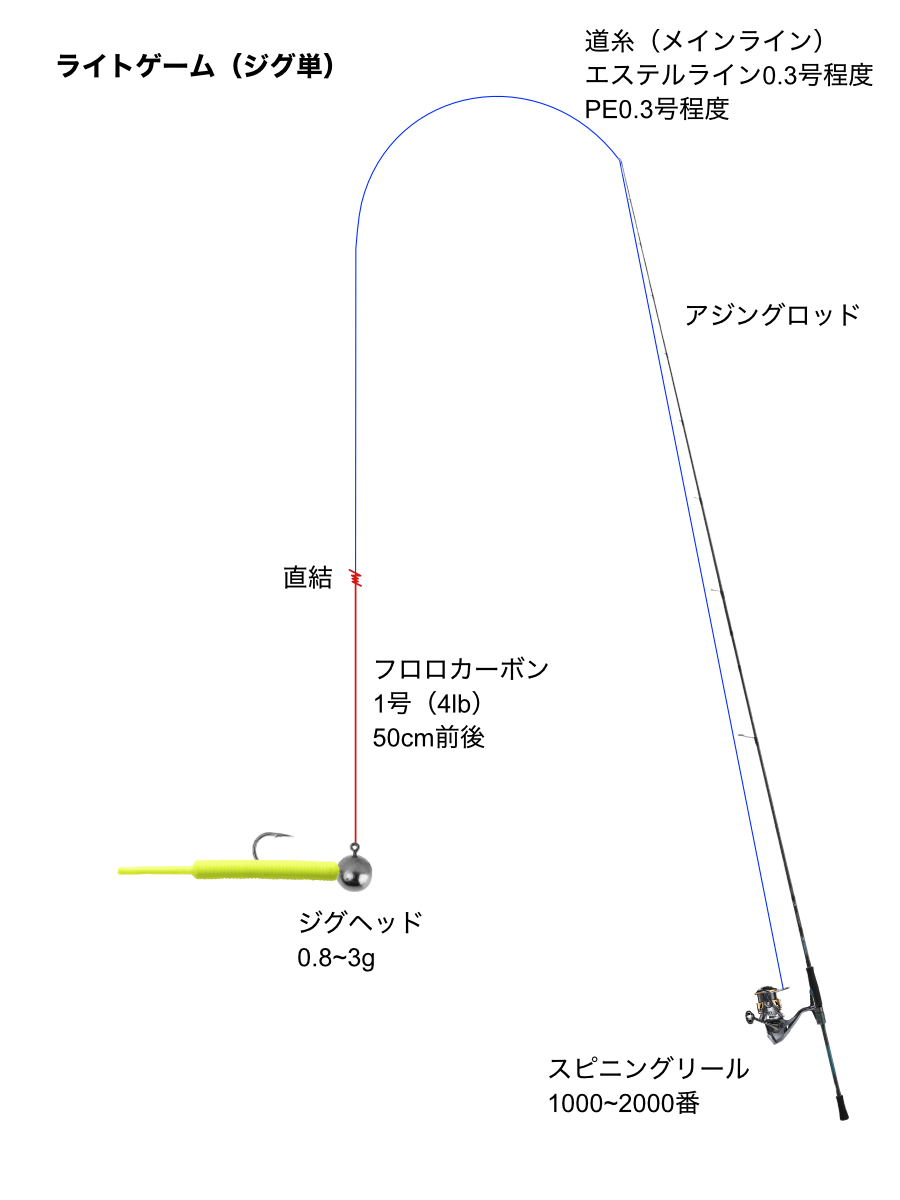
This guide explains the basic structure and fishing method of the light‑game jighead rig. Using lightweight jigheads and soft worms, you can easily target horse mackerel, rockfish, and scorpionfish. The delicate gameplay of lift‑and‑fall and shaking retrieves is part of its charm.