玉ウキ仕掛け
💧 Fresh🎣 Bait📍 Shore
Long Rodテナガエビ
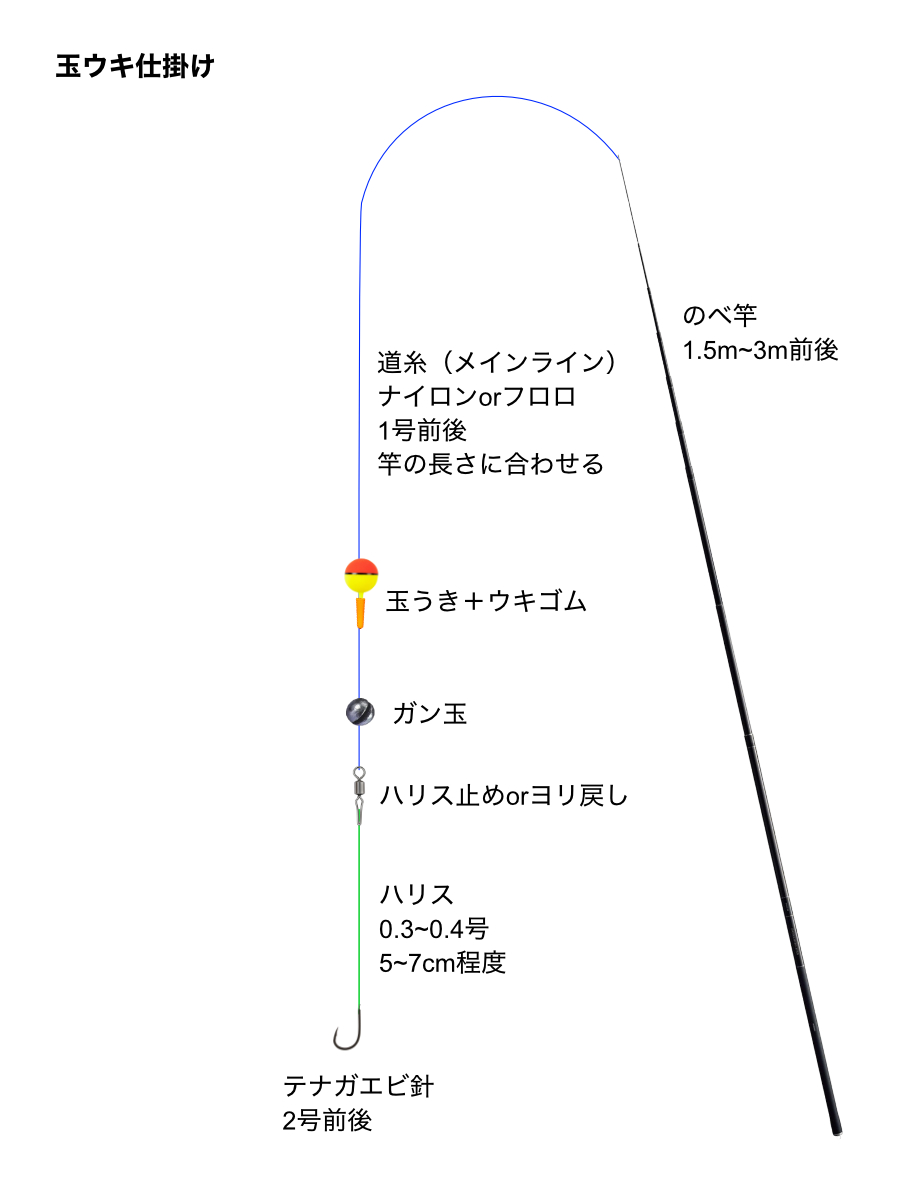
Basic Structure of the Rig
- Rod (Fixed‑line Rod): A “nobe‑zao” (fixed‑line rod without a reel) is commonly used. Rods between 1.2m and 2.4m are chosen depending on the fishing spot.
- Rig Type:
Ball‑float Rig — A simple rig with a single small float with legs. It clearly shows bites and is ideal for beginners. - Line & Hook: Use nylon or fluorocarbon around 1号 (4lb) as the main line, and small specialized long‑arm shrimp hooks (around size 2).
- Bait: Red worms are the most common, but worms, and even everyday foods like raw ham, imitation crab, or fish‑sausage can be used as substitutes.
Fishing Procedure
- Finding a Spot: Focus on shaded or hidden areas such as gaps between tetrapods, spaces between rocks, undercut banks, and grassy overhangs.
- Adjusting Float Depth: Set the depth so the bait touches the bottom. Adjust the float so it sits just below the surface or sinks 1–2cm, making shrimp movement easier to see.
- Dropping the Rig: Quietly lower the rig into gaps. When a shrimp finds the bait, it often drags it to a safe place away from other shrimp, causing the float to slide sideways or get pulled underwater.
- “Mogu‑mogu Time” (Waiting): Even if the float moves, do not set the hook immediately. Wait 20–30 seconds (up to about a minute depending on conditions) until the shrimp fully takes the bait into its mouth.
- Light Hook‑set & Landing: Lift the rod gently to “listen” for resistance. If you feel the shrimp’s characteristic backward‑kicking vibration, it’s hooked.
- Purging Mud: Keep caught shrimp alive in a bucket with an aerator. Let them sit in clean water for half a day or more to purge mud, which removes odor and improves taste.
Related Movies
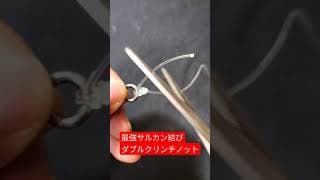
糸とアイの結び方(ダブルクリンチノット)
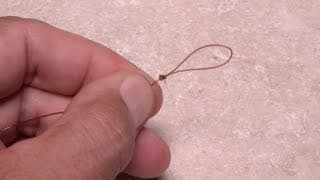
パーフェクションループノット
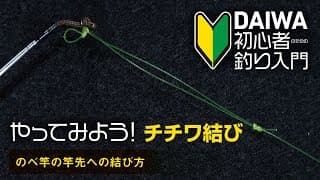
チチワ結びの結び方
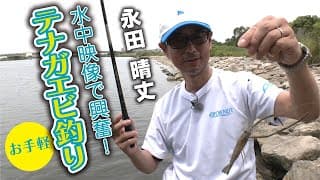
テナガエビ釣り入門
You have reached the end of the list