ライトショアジギング
💧 Salt🎣 Lure📍 Shore
Middle LureMedium-Heavy Lureアジアイナメサバサワラカサゴブリヒラメマゴチカツオスズキ
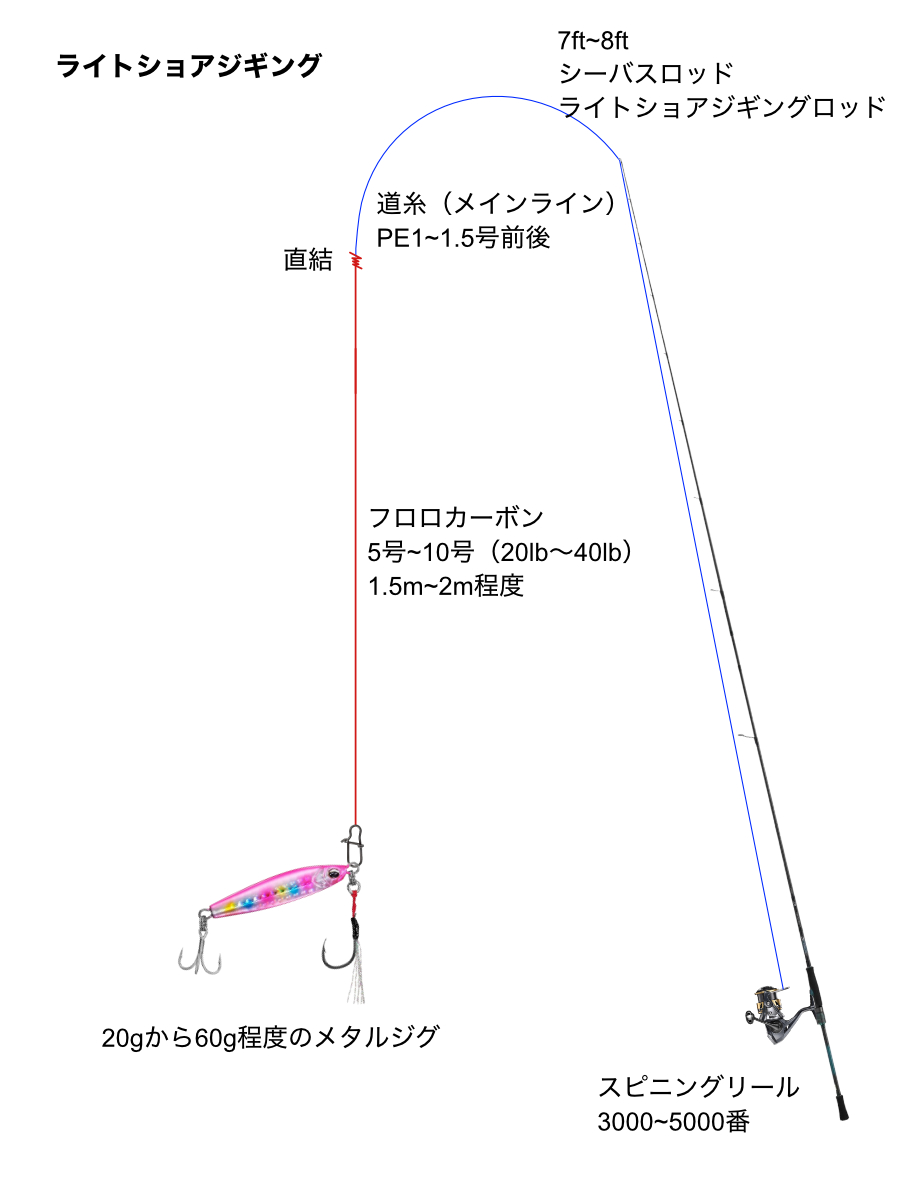
Basic Structure of the Rig
- Light Shore Jigging: This style uses mainly 20–60g metal jigs to target small to medium pelagic species (yellowtail, Spanish mackerel, amberjack), as well as rockfish and flatfish.
- Tackle: A 3000–5000 size spinning reel paired with a 9.6–10 ft light‑shore‑jigging rod is standard. Seabass rods can also be used.
- Line: Spool 200m or more of PE line (1–2号) for casting distance and sensitivity. Attach 1.5–2m of fluorocarbon leader (5–10号 / 20–40lb) for abrasion resistance.
- Lures (Metal Jigs): 30g and 40g are the most commonly used. Choose slim, low‑drag jigs for long casts, or flat, slow‑falling jigs that create feeding pauses depending on target species and activity level.
Fishing Procedure
- Casting: Cast as far as possible toward offshore tide lines or surface activity (bait balls, boils).
- Bottom Contact: Let the jig sink to the bottom (free fall). Watch for slack or sudden stops in the line—detecting bottom accurately is key to avoiding snags and improving catch rates.
- Action (Luring):
One‑Pitch Jerk — Snap the rod once and turn the reel handle once; this is the fundamental action.
Steady Retrieve — Simply reeling at a constant speed will make the jig swim. Highly effective when fish are feeding near the surface. - Adjusting the Range: If there’s no response, let the jig hit bottom, then work it up to mid‑depth before letting it fall again. Repeat to locate the depth where fish are holding.
- Bite and Hook‑set: Strikes often occur during jerks or the fall. When you feel a sharp impact, set the hook immediately.
- Landing: After hooking a fish, use the drag and rod bend to fight it. Once it’s close to your feet, use a landing net to secure it safely.
Related Movies
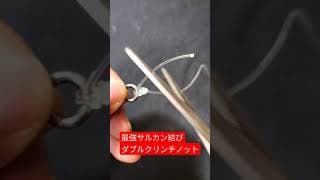
糸とアイの結び方(ダブルクリンチノット)
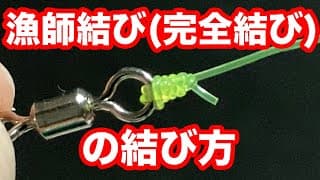
糸とアイの結び方(漁師結び)
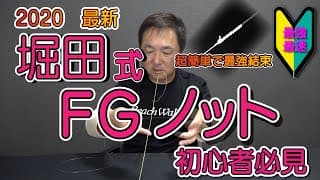
糸と糸の結び方(FGノット)
ライトショアジギングの始め方
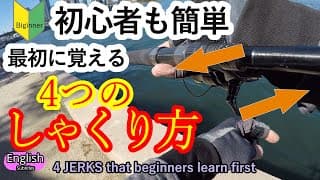
ショアジギングのしゃくり方
You have reached the end of the list