ロックフィッシュ(フリーリグ)
💧 Salt🎣 Lure📍 Shore
Middle LureMedium-Heavy Lureアイナメカサゴクロダイヒラメマゴチ
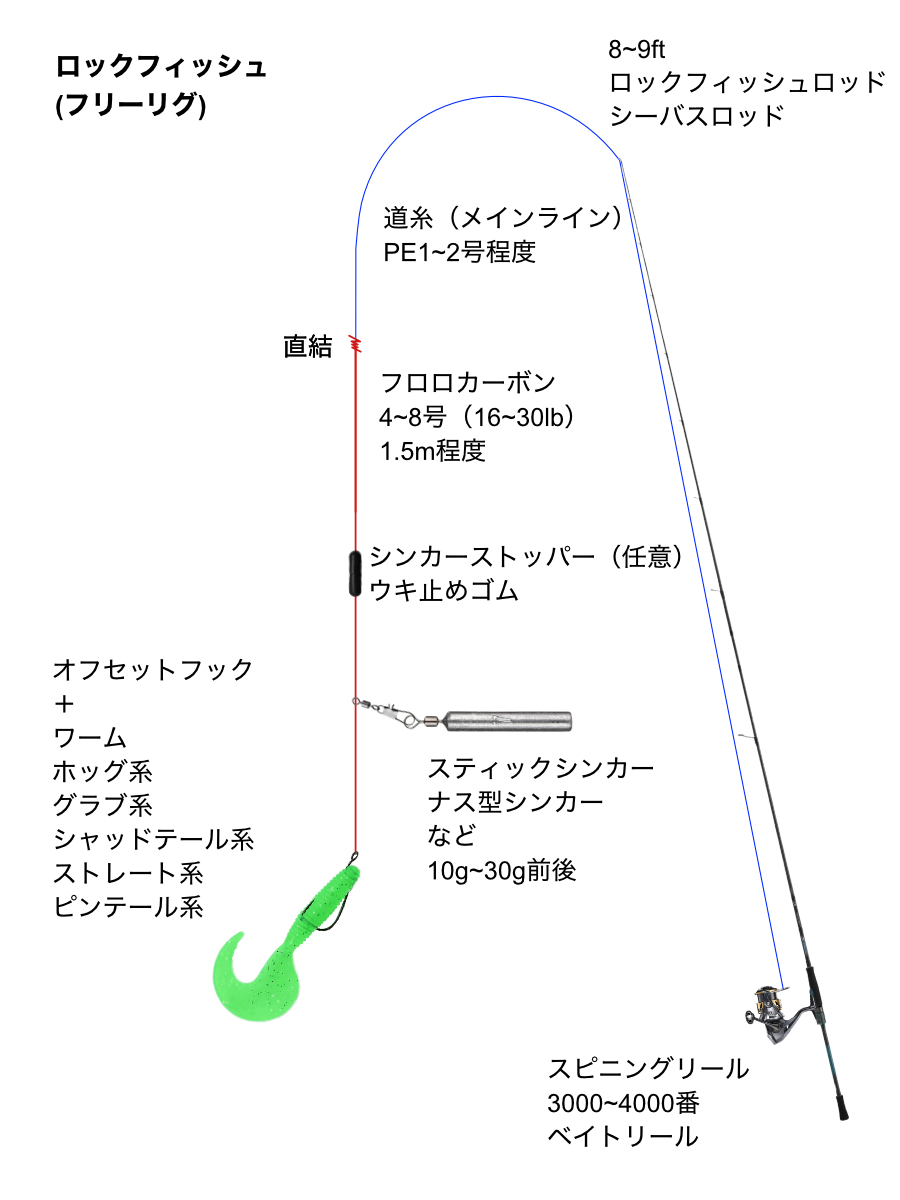
Basic Structure of the Rig
- Sinker: Choose a slim stick‑type sinker for snag‑resistance, or a rounded shape when bottom sensitivity is more important. Weights vary from 10g to over 30g depending on conditions.
- Hook and Worm: Use an offset hook to prevent snagging. Effective worm types include hog and claw‑style worms that catch water and fall slowly, as well as shad‑tail worms that can be used for swimming retrieves.
- Sinker Stopper (Optional): Usually not used, but in extremely rocky areas, a stopper may be placed 40cm–1m above the worm to prevent the sinker from sliding too much.
- Tackle: Typical setups include 8–9 foot rockfish rods or seabass rods paired with spinning or baitcasting reels, PE line (1–2号), and fluorocarbon leaders (16–30lb).
Fishing Procedure
- Casting and Bottom Contact: Cast far toward offshore rocks or break lines.
- Sinker Touches Bottom First: After casting, the heavy sinker reaches the bottom first.
- Natural Worm Fall (Feeding Pause): After the sinker lands, the worm sinks slowly in a near weightless state. This delayed, floating fall is extremely effective for inactive fish.
- Action:
Lift & Fall — Raise the rod to lift the rig, then let it fall to create feeding pauses.
Dragging / Swimming — Slowly drag the rig along the bottom or lift it slightly and retrieve. - Bite and Hook‑set: Most bites occur during the worm’s fall. When you feel a bite, set the hook firmly and pull the fish away from the rocks immediately.
- Landing: The first few seconds after the hook‑set are critical. Maintain control and reel quickly before the fish can dive into cover.
Related Movies
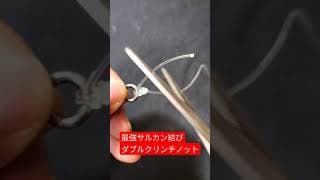
糸とアイの結び方(ダブルクリンチノット)
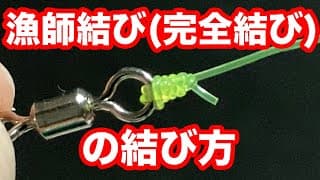
糸とアイの結び方(漁師結び)
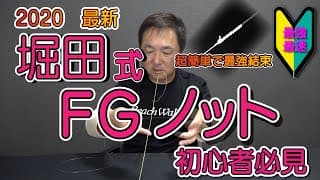
糸と糸の結び方(FGノット)
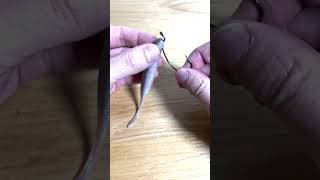
オフセットフックの刺し方
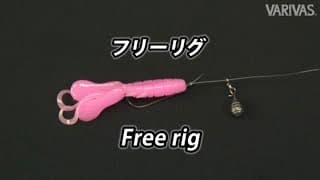
フリーリグの作り方
You have reached the end of the list