穴釣り
💧 Salt🎣 Bait📍 Shore
Middle Lureアイナメメバルカサゴ
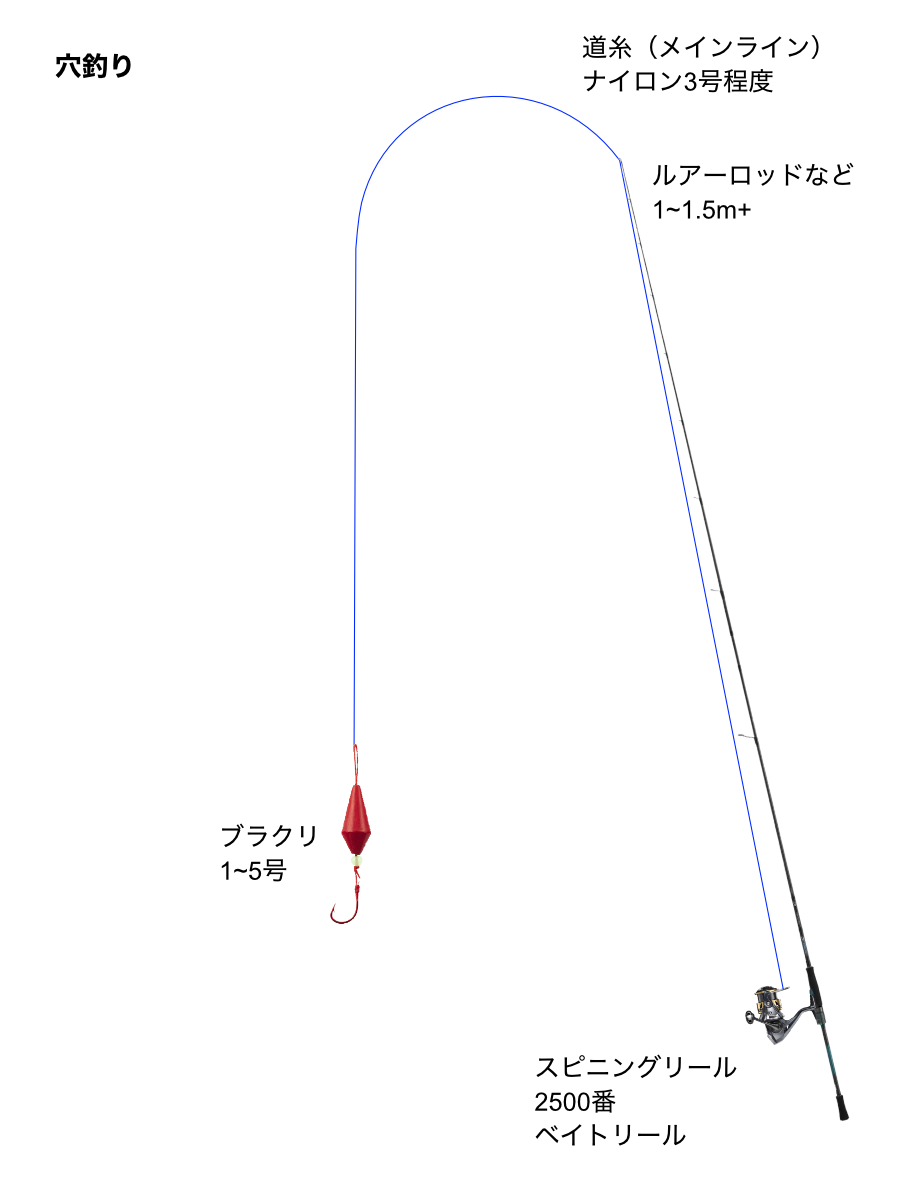
Basic Structure of the Rig
- Rod: A rod around 1–1.5m is easy to handle, but lure rods such as eging rods, seabass rods, or bass rods can also be used.
- Reel and Line: Use a small spinning reel or baitcasting reel with 3–5号 nylon line as the main line.
- Burakuri Rig: A specialized rig with a weight (often teardrop‑shaped) and a hook positioned directly beneath it. Because the hook hides in the shadow of the weight, it is designed to reduce snagging on rocks.
- Bait:
(Natural bait) Worms such as ragworms (isome) or durable mackerel strips work well.
(Artificial bait) Soft lures shaped like worms or crabs (e.g., Pokebait) are convenient and easy to use.
Fishing Procedure
- Hooking the Bait: For mackerel strips, hook them firmly so they don’t fall off. For worms, insert the hook through the hard head section.
- Dropping the Rig: Slowly lower the rig into “holes” where fish may be hiding, such as gaps in seawall joints, along walls, or between tetrapods.
- Luring and Spot‑Hopping: Occasionally move the rod tip lightly to attract fish. If there’s no response within 10–30 seconds, move to the next hole. This run‑and‑gun style is key to increasing your catch.
- Bite and Landing: When you feel sharp taps or strong knocks on the rod tip, a fish has taken the bait. Since rockfish tend to dive into crevices, pull them out quickly and firmly once hooked.
Related Movies
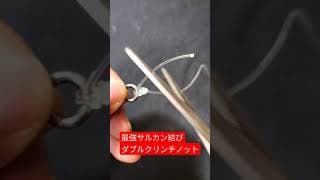
糸とアイの結び方(ダブルクリンチノット)
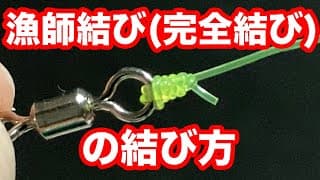
糸とアイの結び方(漁師結び)
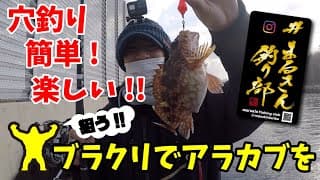
ブラクリでカサゴ釣り
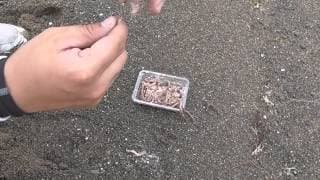
虫エサの付け方
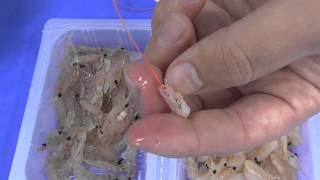
オキアミの付け方
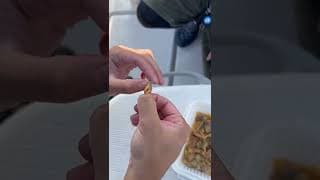
アサリの付け方
You have reached the end of the list